

The Peace of Edward and Guthrum forgery, c.1002-23
Dr Alexander Thomas introduces The Peace of Edward and Guthrum forgery, Textus Roffensis, folios 40r-41v.

Æthelstan’s Grately Code, c.926-c.930
Transcription and translation from Old English of Textus Roffensisfolios 32v-37r by Dr Christopher Monk.

Concerning arsonists and murders, probably 10th century
Concerning arsonists and murders (Be blaserum ⁊ be morðslihtum), anonymous, probably the 2nd quarter of the 10th century. Translation from Old English of Textus Roffensis folio 31v-32r by Dr Christopher Monk.

Forfang: a reward for retrieving stolen property, probably 10th century
Transcription and translation from Old English of Textus Roffensis folio 32r by Dr Christopher Monk.

Æthelstan modifies the penalties for theft (c.930-39)
Concerning both the age at which a thief could be executed and the lower limit of the value of property stolen for which a thief could be put to death.
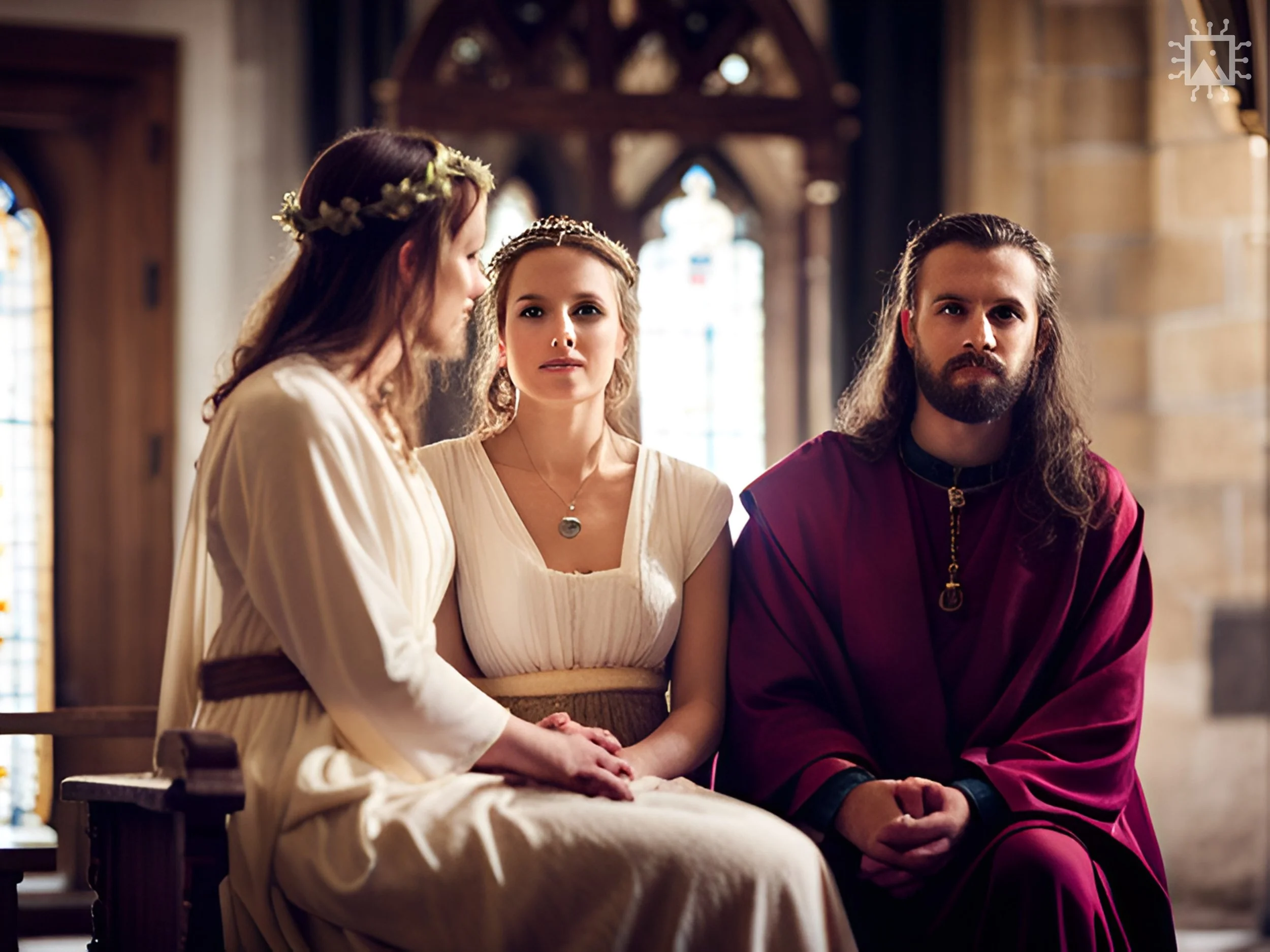
Concerning a woman’s betrothal, early 11th century
Be wifmannes beweddung (‘Concerning a woman’s betrothal’) (early-11th-century). Translation from Old English of Textus Roffensis folios 94v-95r by Dr Christopher Monk.

The Laws of Wihtræd, 695 AD
These are the judgements of Wihtræd, king of the Kentish people. Translation from Old English of Textus Roffensis folios 5r-6v by Dr Christopher Monk.

The Laws of Hlothere and Eadric, c.673-c.686
These are the judgements which Hlothere and Eadric, kings of the Kentish people, set down.
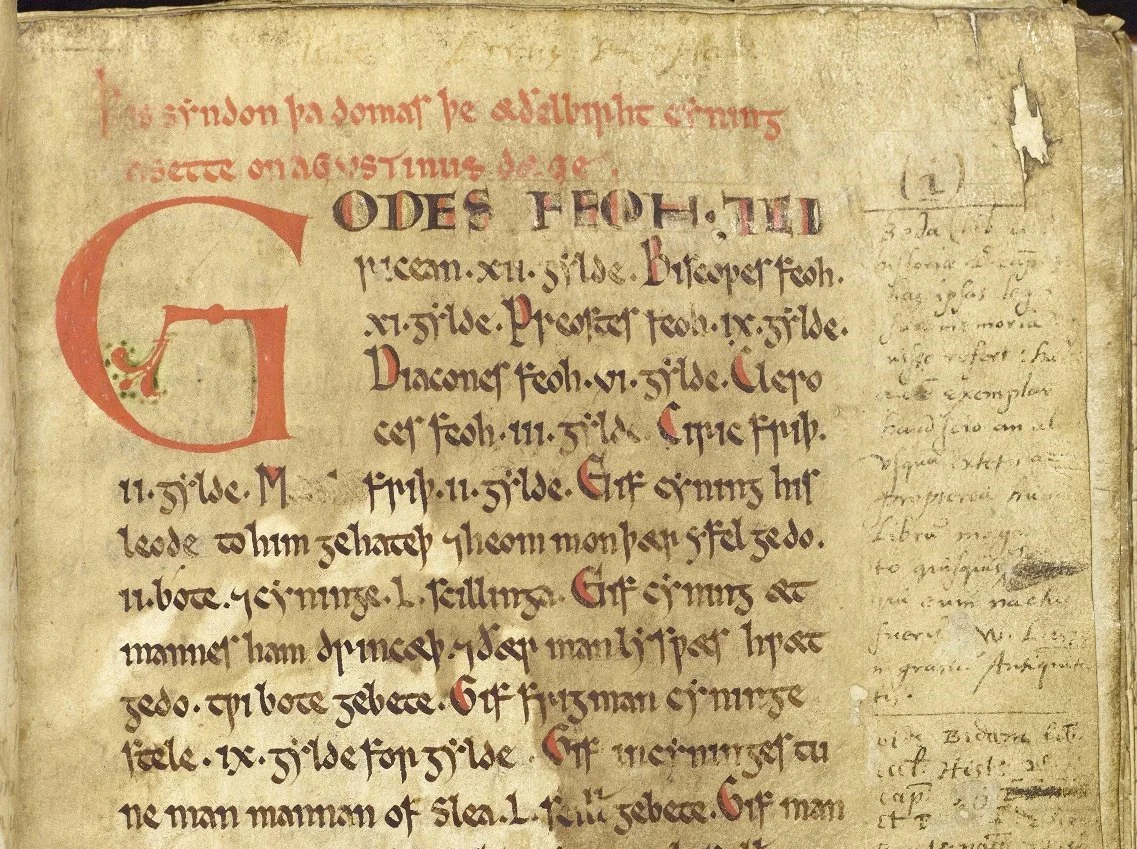
Æthelberht’s Code, c.600 CE
These are the judgements which King Æthelberht set down in Augustine’s day. Translated from Old English by Christopher Monk.

Concerning Laws of the Mercians, probably 9th century
This provides information on the payment of wergild (the legal value set on a person’s life according to rank) within Mercian society. Textus Roffensis, f. 39v. Translated from Old English and edited by Dr Christopher Monk.

It He Bequeathed, c.975-c.1025 AD
Hit becwæð (‘It he bequeathed’), a c. 975–c.1025 formula for asserting the right to hold bequeathed land. Textus Roffensis, ff. 95r–95v. Translated from Old English and edited by Dr Christopher Monk.

Concerning the Mercian Oath, early-11th-century
Be Mirciscan Aðe (‘Concerning the Mercian Oath), early-11th-century. Textus Roffensis, f. 39v. Translated from Old English and edited by Dr Christopher Monk.

Laws of the Northumbrians, mid-10th century
Concerning wergild (‘man-payment’); the monetary value put on the life of a free person within Anglo-Saxon compensation laws. Textus Roffensis, ff. 93v–94r. Translated from Old English and edited by Dr Christopher Monk.

Articles of William I, 1066-1087 AD
‘Here is shown what William, king of the English, with his principal men, decreed after the conquest of England…’ Textus Roffensis, ff. 80r–81v. Translated from Latin and edited by Dr Christopher Monk.
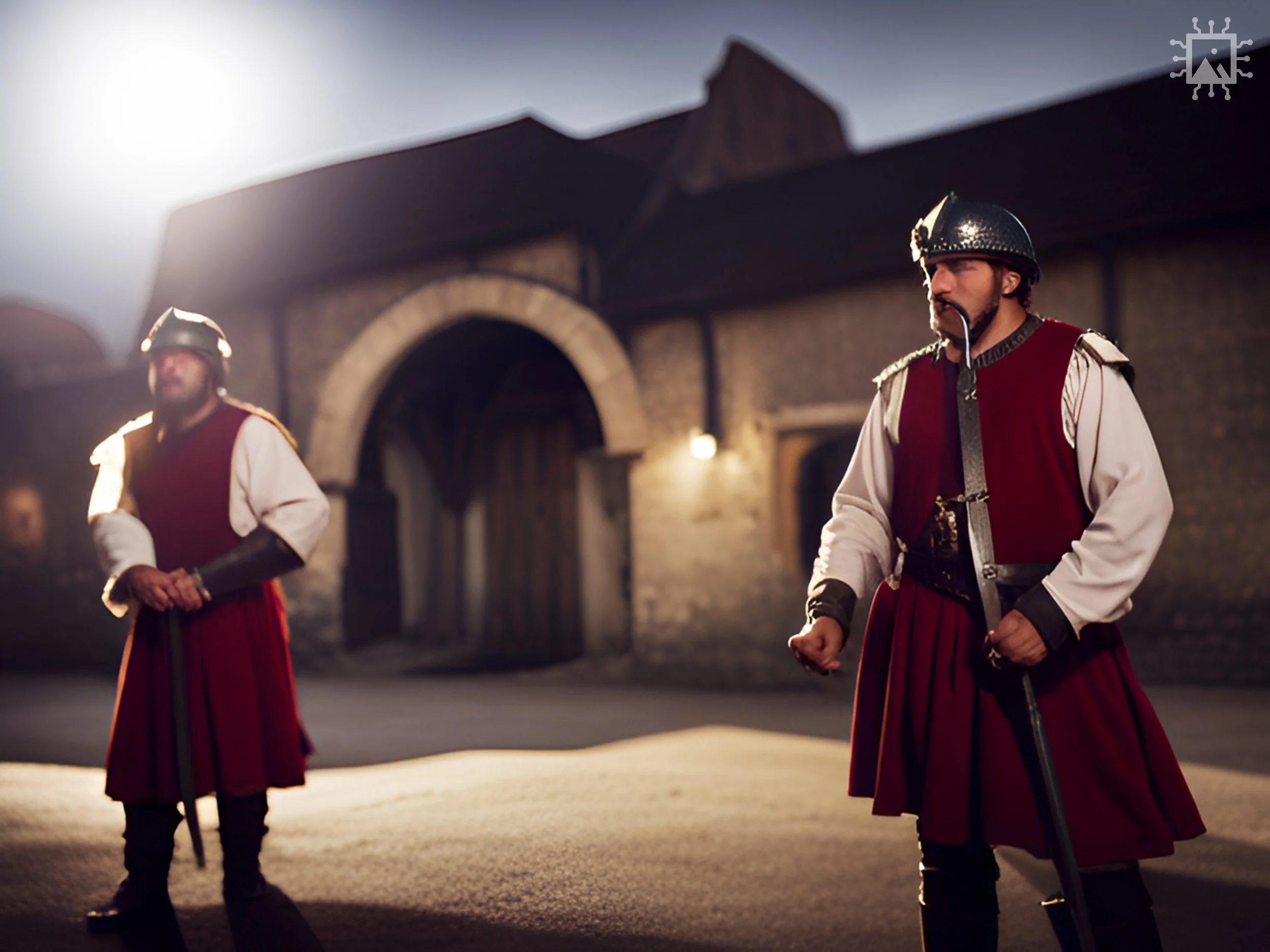
The King's Peace, late 10th century
Pax (‘Peace’) relates to physical boundaries or limits of the ‘King’s peace’.

How the person must swear an oath, c.900 AD
Hu se man sceal swerie (‘How the person must swear an oath’), c. 900. Textus Roffensis, ff. 38v–39v. Translated from Old English and edited by Dr Christopher Monk.

Trial by Ordeal, mid-10th century
Textus Roffensis contains the code concerning the infamous administering of trial by ordeal: by water, by fire, and by bread and cheese.
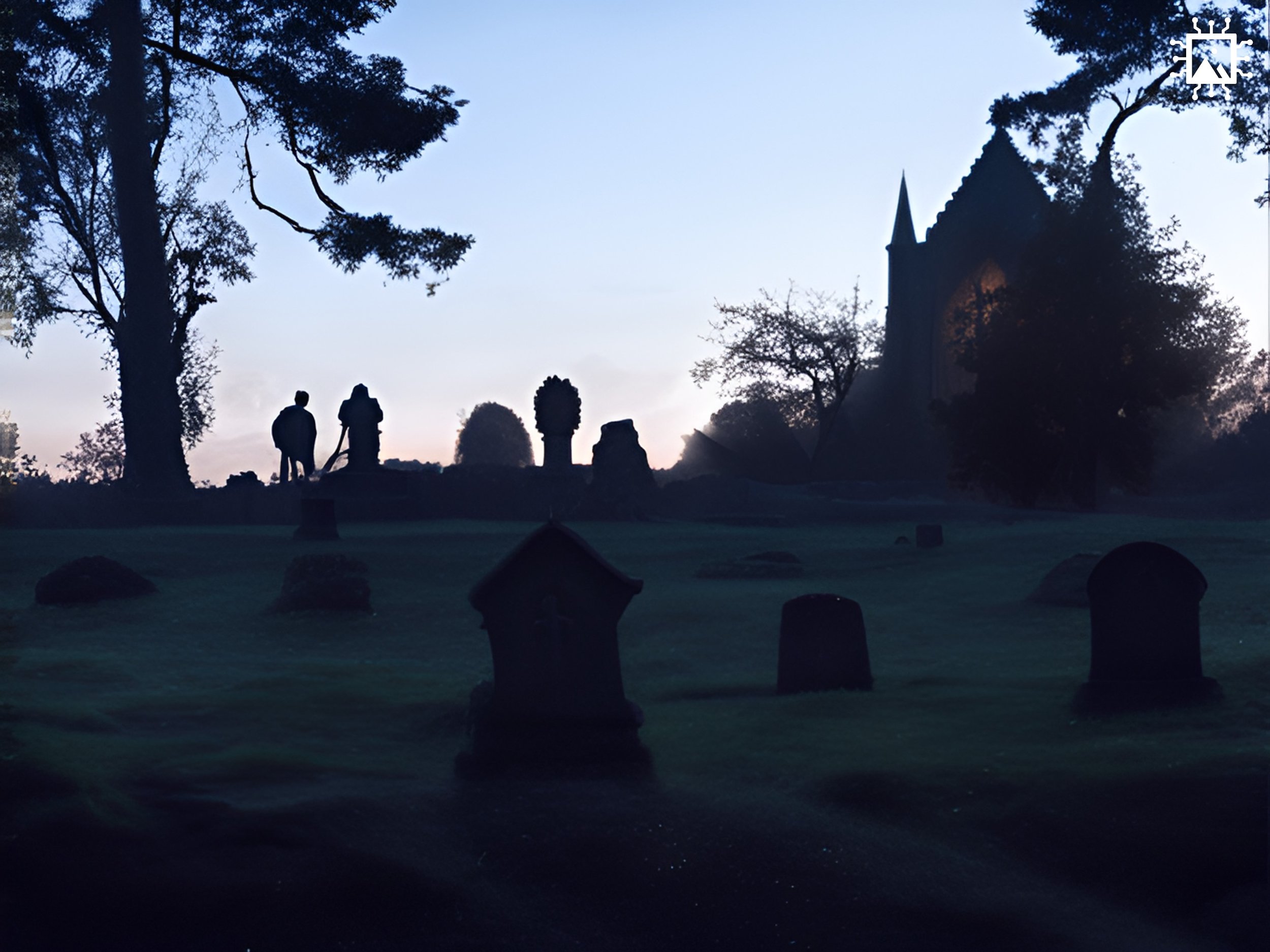
Corpse Robbery, late 10th century
This anonymous law fragment Walreaf (‘Spoil of the Slain/Corpse Robbery’) forbids the robbery of corpses.

Edmund’s First Code, 942-6 AD
The code’s chief concerns are ecclesiastical: clerical celibacy, church dues and alms, and restoration of church buildings. Textus Roffensis, ff. 44r-45r. Translated from the Old English and edited by Dr Christopher Monk.

Æthelred’s Woodstock Code, 997 AD
‘This is the decree which King Æthelred and his council decreed at Woodstock for all the people as a remedy of peace in Mercia…’ Textus Roffensis, ff. 46r–47r. Translated from Old English and edited by Dr Christopher Monk.
Categories
Tags
- Accounts
- Adisham
- Alkham
- Ash-next-Ridley
- Ashford
- Aylesford
- Bekesbourne
- Betteshanger
- Biddenden
- Brenzett
- Bromhey
- Bromley
- Canterbury
- Capel
- Chalk
- Charing
- Charters
- Chatham
- Chelsfield
- Cliffe
- Cooling
- Cranbrook
- Custumale Roffense
- Cuxton
- Dartford
- Deal
- Dover
- Eastbridge
- Eastry
- Faversham
- Fawkham
- Feet of Fines
- Folkestone
- Food
- Foots Cray
- Frindsbury
- Gillingham
- Goudhurst
- Gravesend
- Haddenham
- Hadlow
- Harbledown
- Hawkhurst
- Hawkinge
- Higham
- Hoath
- Hoo
- Horton Kirby
- Hythe
- Ifield
- Inscriptions
- Ivychurch
- Lamberhurst
- Laws
- Lewisham
- Littlebourne
- Lydd
- Lyminge
- Maidstone
- Medicine
- Medieval
- Military History
- Modern
- Monasticism
- Newenden
- North West Kent Family History Society
- Northfleet
- Orlestone
- Preston near Wingham
- Rainham
- Ramsgate
- Records
- Ringwould
- Rochester
- Rochester Cathedral
- Saltwood
- Sandwich
- Shipbourne
- Shoreham
- Sittingbourne
- Snargate
- Snave
- Snodland
- Snodland Historical Society
- Stansted
- Stoke
- Stone in Oxney
- Stourmouth
- Stowting
- Strood
- Sturry
- Surveys
- Tenterden
- Textus Roffensis
- Tithe Commutation Surveys
- Tonbridge
- Westwell
- Wills
- Woolwich
- Wouldham
The Records section of the Kent Archaeological Society website presents a substantial and evolving collection of transcriptions, translations, and documentary resources relating to the history of Kent. Compiled over many decades by specialist groups and independent researchers, these materials include parish records, inscriptions, archival texts, and other primary sources that provide direct insight into the county’s past. This long-standing tradition of recording and publishing historical documents reflects the Society’s role as a record society, making original sources more widely accessible for research and study .
We invite individuals, local societies, researchers, and family historians to contribute material to help expand this important resource. Submissions may include transcriptions, translations, indexes, or editions of archival documents such as parish registers, wills, deeds, inscriptions, or other historical records relating to Kent. Contributions that make previously inaccessible or difficult-to-read sources available in clear and structured formats are especially welcome, supporting both academic research and public engagement.
Selected contributions may be included in the Society’s Records section to support research, education, and the preservation of Kent’s documentary heritage. When submitting, please provide details of the source material, its origin, date, and any relevant context, along with information about transcription methods or editorial approach where appropriate. Our editorial team may make minor adjustments for clarity and consistency. By contributing, you help preserve and share the written record of Kent’s past, ensuring these valuable sources remain accessible for future generations.