
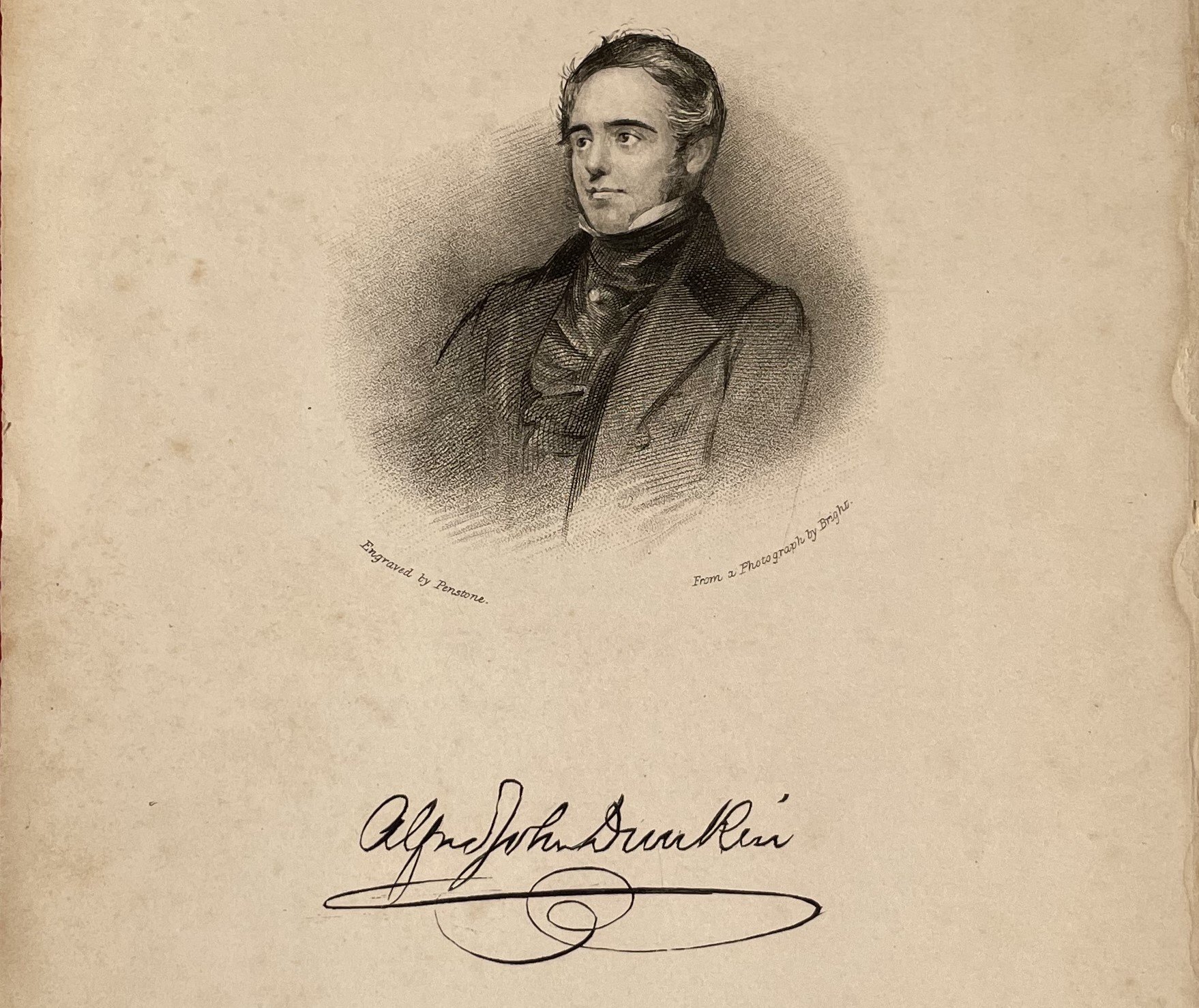
Memoranda of Springhead and its Neighbourhood, during the Primeval period, with notes and additions by the author
A transcription of the authors own copy 'interleaved - for notes, additions, etc. etc. etc. etc.'. Donated to the Society by Dr Brian Philp.
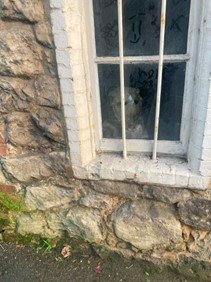
Hauntings of Pluckley Village, Ashford
The village of Pluckley is said to be the most haunted village in the United Kingdom, if not the world, with 12 official ghosts and many more tales of spooky occurrences and creepy sightings.
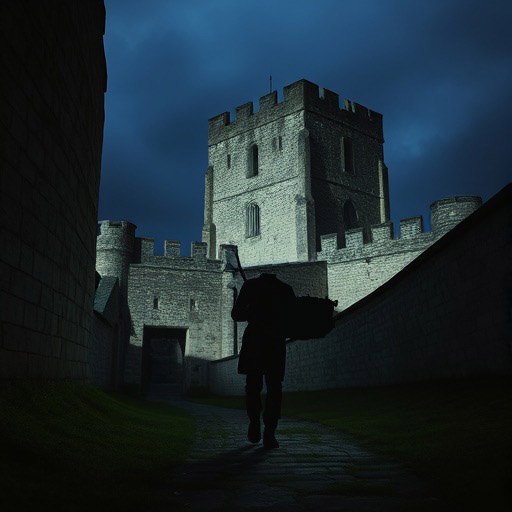
Drummer boy of Dover Castle
The most famous hauntings at Dover Castle include a young drummer boy, said to have been delivering a message or important package through the warren of tunnels beneath the castle when he was seized upon, brutally murdered and decapitated.
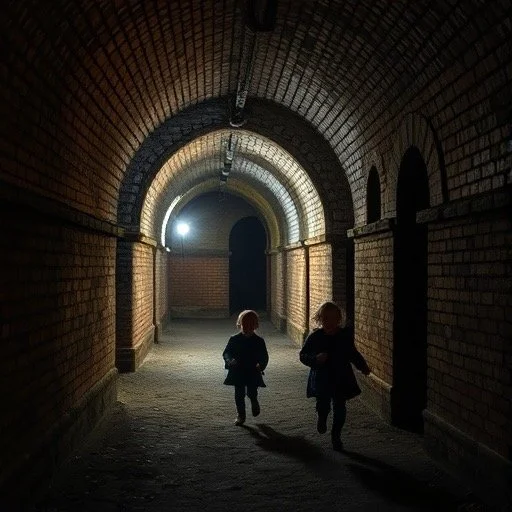
Ghosts of Fort Amherst, Chatham
The network of eerie tunnels beneath the fort are said to be one of the most haunted places in the country. Staff and visitors have reported being approached by a phantom soldier on the lower gun deck. A wailing woman and crying children are often heard, with no sign of where the cries emerge from.
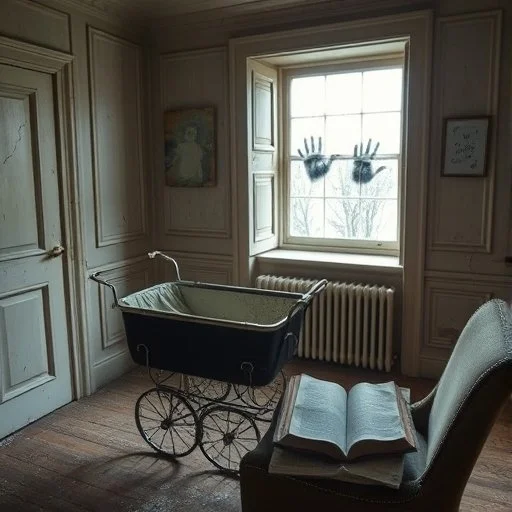
Children of Tiny Tim’s Tearoom, Canterbury
Within the walls of the attic were the mummified bodies of three children, all clutching bibles inscribed with the date 1503. Alongside these were mummified cats and dogs, thought to have been placed earlier than the children to ward off evil spirits during the construction of the property.
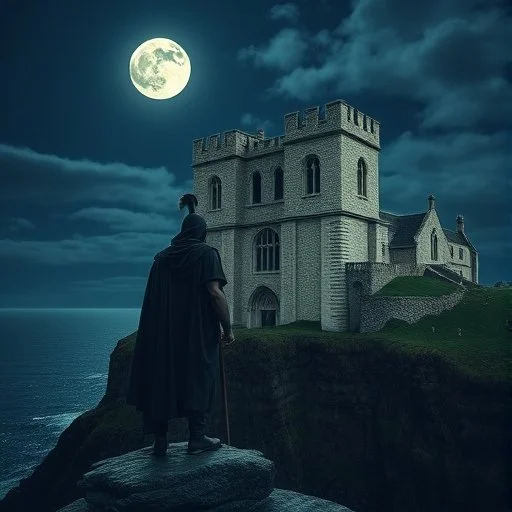
Roman phantoms of Reculver Towers
During excavations at the site, a number of infant burials were discovered under the Roman walls. It has been said that they represent ancient sacrifices to protect the site, and terrifying sounds of wailing babies have been heard during stormy nights.
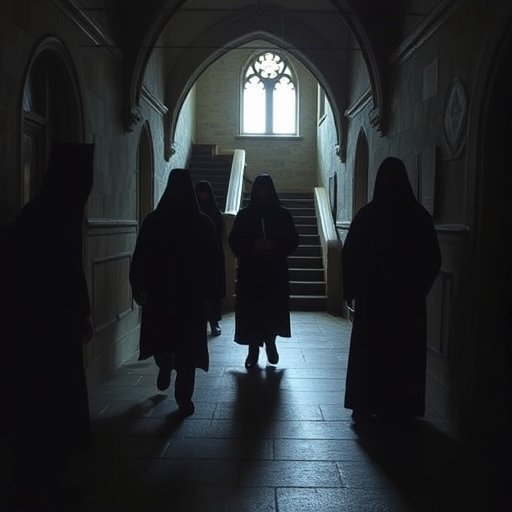
Phantom monks of Bilsington Priory
There have been countless stories of otherworldly occurrences at Bilsington, but the most famous sighting is of an army of phantom monks, marching through the kitchens and up the stairs.

The Dripping Man of Scotney Castle
The Dripping Man is thought to haunt Scotney Castle moat.





Amphisbaena
Notes by Alan and Jean Minnerthey, Rochester Cathedral Chapter Library Volunteers.




Cinnamolgus
Notes by Alan and Jean Minnerthey, Rochester Cathedral Chapter Library Volunteers.
Tags
- #HauntedKent
- Antiquarianism
- Bilsington
- Canterbury
- Chatham
- Dialect
- Diocese of Canterbury
- Disease and medicine
- Dover
- Dover Castle
- Fort Amherst
- Hauntings
- Hythe Civic Society
- Ian Coulson Annual Bursary
- Iron Age
- Leeds Castle
- Maidstone
- Medieval
- Modern
- Northfleet
- Pluckley
- Reculver
- Rochester Bestiary
- Scotney Castle
- Springhead
- Tunbridge Wells
The Notes section of the Kent Archaeological Society website brings together a wide range of concise research materials, working papers, and reference compilations relating to the history and archaeology of Kent. This includes databases, directories, gazetteers, and structured notes compiled by volunteers and independent researchers, offering a valuable foundation for further study and investigation . Alongside these resources, the tradition of archaeological and historical “notes” reflects the Society’s long-standing role in sharing emerging findings, interim reports, and focused studies that contribute to a deeper understanding of the county’s past.
We invite individuals, local societies, researchers, and independent scholars to contribute material to help expand this evolving body of knowledge. Submissions may include research notes, data compilations, transcriptions, indexes, gazetteers, or other reference resources that support the study of Kent’s archaeology and history. Contributions that organise, summarise, or make accessible primary sources and datasets are particularly welcome, as they provide essential tools for both specialist and general audiences.
Selected contributions may be included in the Society’s Notes section to support research, collaboration, and discovery. When submitting, please provide clear details of the content, scope, sources, and any relevant context, along with appropriate references or links where applicable. Our editorial team may make minor adjustments for clarity and consistency. By contributing, you help build a practical and accessible research resource that supports ongoing scholarship and encourages new insights into Kent’s past.