
It’s a Brilliant Theory Mr Harrison But…
Holman, N., ‘It’s a Brilliant Theory Mr Harrison But….’, Bygone Kent, 44, 1, 32-39 [authenticity of Benjamin Harrison’s archaeological finds].
The Venal Family, Watch and Clockmakers in Rye, Smarden and Deal
Goodshop, H., ‘The Venal Family, Watch and Clockmakers in Rye, Smarden and Deal’, Kent Family History Society Journal, Pt 1:17, 4, 231-238 & Pt 2: 17, 5, 330-337.
The Curel Barges
George, D., ‘The Curel Barges’, Topsail, 56, 36-60 [barge building dynasty of John Curel at Frindsbury].
Sandwich Haven Part 1: when sail was king’
Eeles, D., ‘Sandwich Haven Part 1: when sail was king’ Topsail, 54, 11-38.
‘The Austens’ Residences In Sevenoaks Part I: a forgotten Austen property - The Old House, 18 High Street
Ballard, M., ‘The Austens’ Residences In Sevenoaks Part I: a forgotten Austen property - The Old House, 18 High Street’, The Jane Austen Society Report for 2022, 104-112.
The Possibilities Of Painting In Kent c1540-1640
Tittler, R., ‘The Possibilities Of Painting In Kent c1540-1640’, The Local Historian, 53, 2, 2-23.
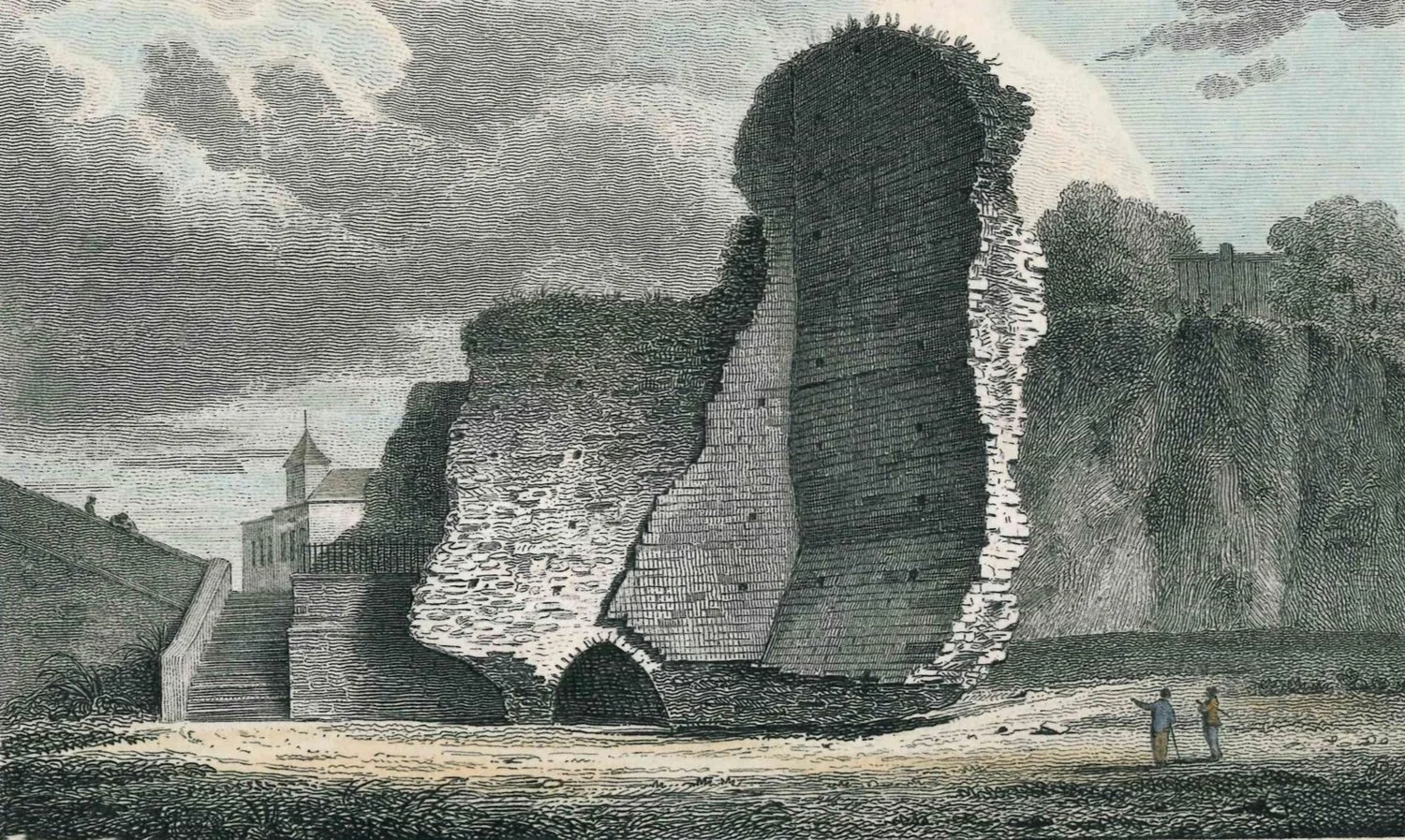
Rochester Castle watergate, c.1380
The north-west curtain wall of Rochester Castle forms a bastion, or projection, at the point where the medieval Rochester Bridge crossed the Medway. An excavation in 2017 revealed the watergate in the west face of the bastion for the first time in decades.
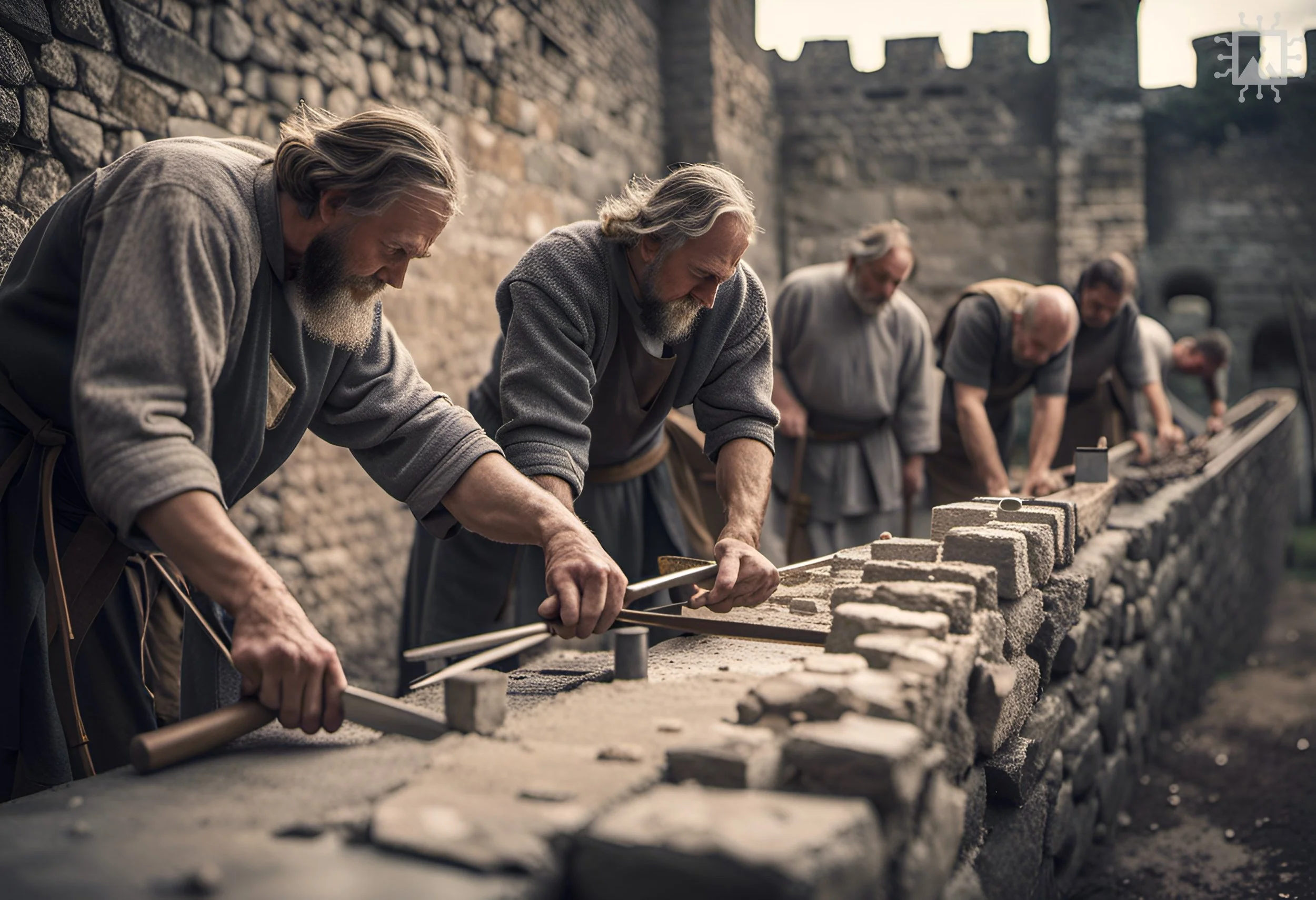
Rochester Castle in the time of Odo and Gundulf, 1067-1088
Archaeologist Alan Ward discusses what we know - or what little we know - about Rochester Castle in the time of Odo and Gundulf (1067-1088).

Colonial heritage at Rochester Cathedral
A reinvestigation of the Early Modern history and collections of the Cathedral was spurred by the 2020 Black Lives Matter Protests and ensuing debate on memorialisation in public spaces.

Charlotte Boyd (1837-1906)
Revd. Lindsay Llewellyn-MacDuff, author of Bertha's Daughters: A History of the Church in Kent, explores the life and work of Charlotte Boyd, one of the greatest benefactors to the Diocese of Rochester in modern times.
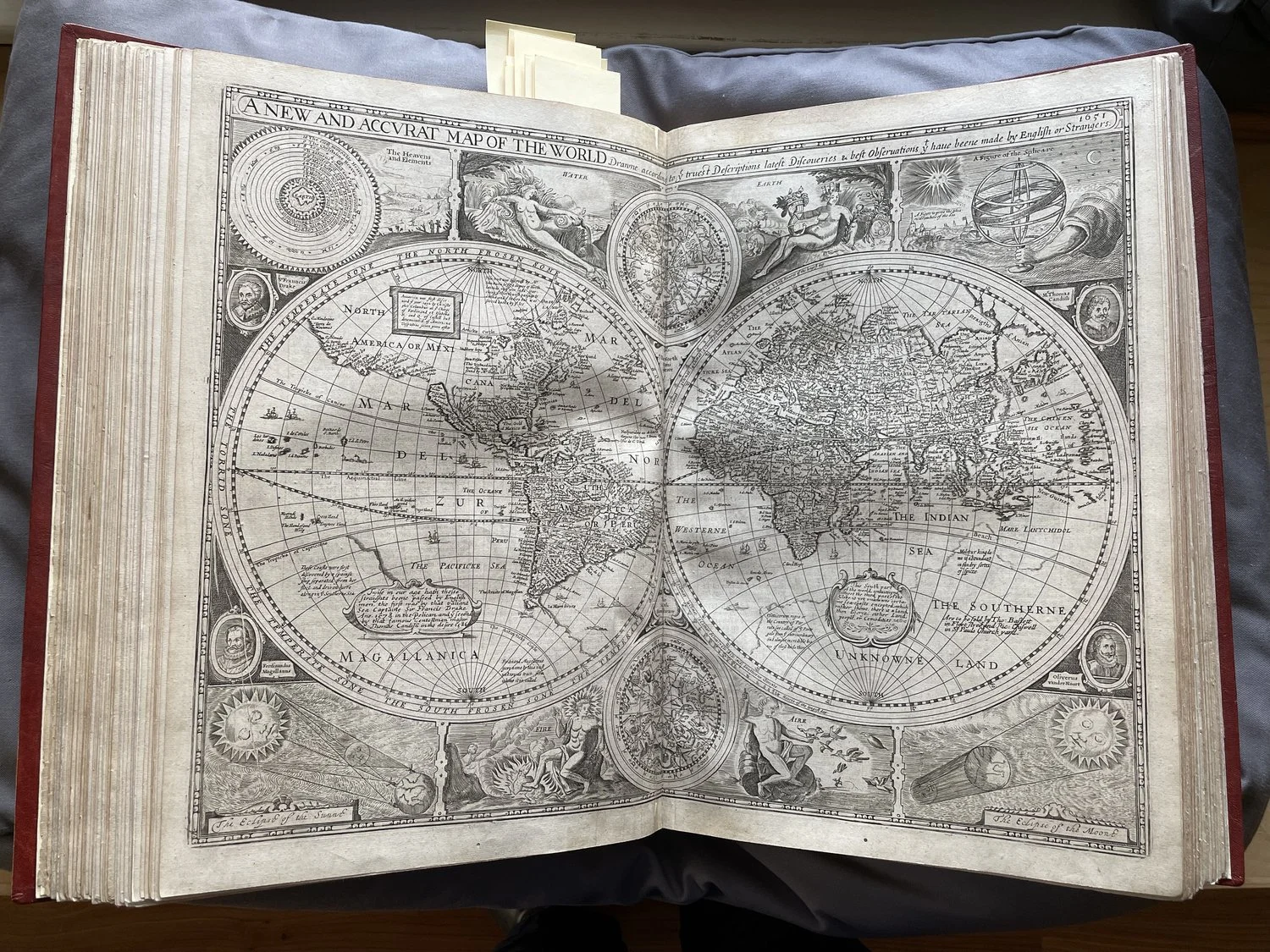
John Speed's atlas, 1676
Library volunteer Myra Amor introduces John Speed and his Theatre of the empire of Great-Britain and A prospect of the most famous parts of the World published in 1676.
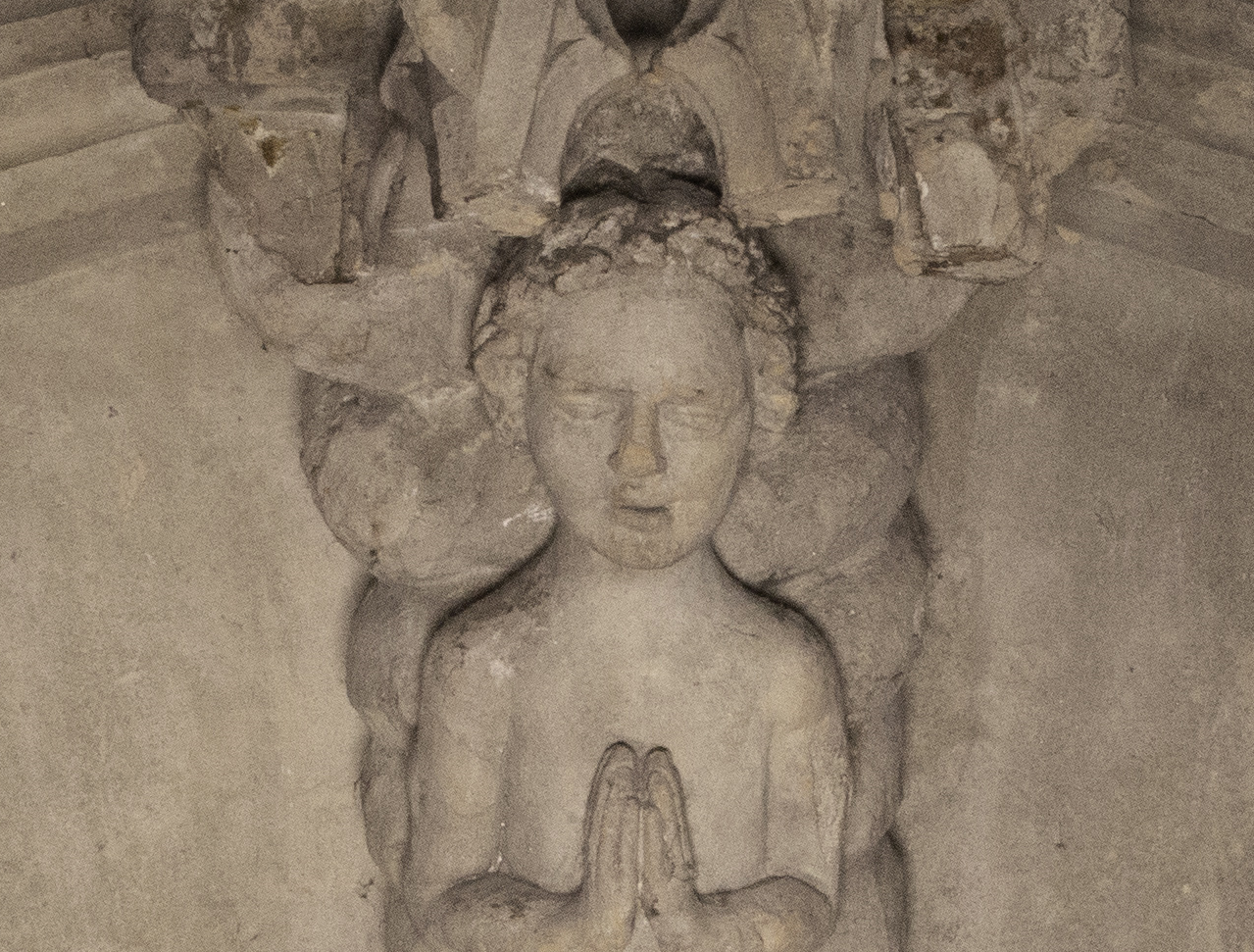
Bishop Hamo of Hythe (c.1275-1352)
Perhaps second only to Gundulf in shaping the medieval Rochester Cathedral and St Andrew’s Priory, there is some evidence to suggest it may be down to Hamo and the turbulent times in which he lived that resulted in the two halves of Textus being bound together in the mid-fourteenth century.
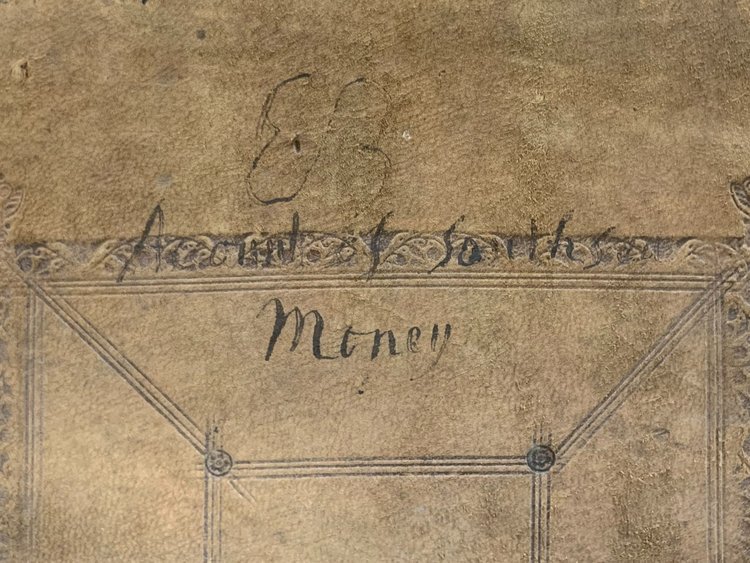
Investments in the South Sea Company by the Dean & Chapter of Rochester Cathedral, 1715-1720
The archives of the Dean & Chapter include a collection of early 18th-century stock and dividend receipts and an accounts book evidencing an extensive financial legacy from investments in two of the largest slave-trading companies in history.
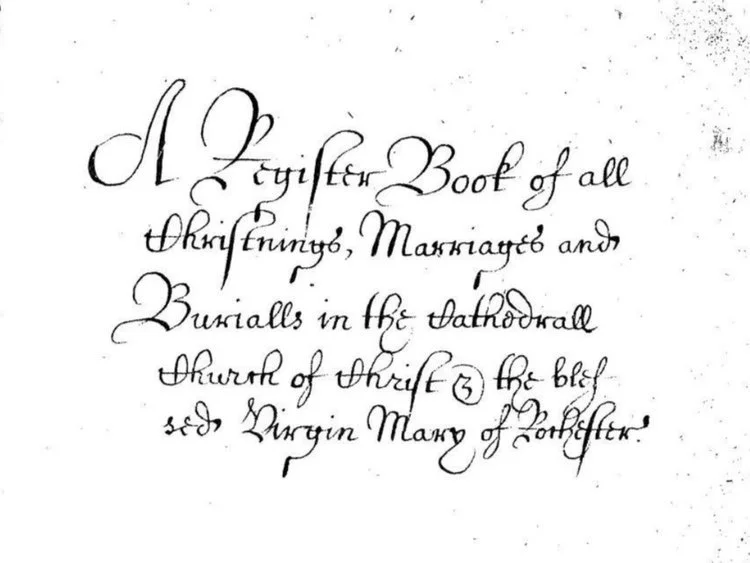
Baptisms, marriages and burial registers of Rochester Cathedral
Facsimile and transcriptions of the baptism, marriage and burial registers of Rochester Cathedral.
The Anglo-Saxon migration and the formation of the early English gene pool
Gretzinge. J., et al. ‘The Anglo-Saxon migration and the formation of the early English gene pool’, Nature, 21, September 2022.
‘The Earliest English Church? A reconsideration of the chapel of St Pancras, in St. Augustine’s Abbey, Canterbury
Dark, K., ‘The Earliest English Church? A reconsideration of the chapel of St Pancras, in St. Augustine’s Abbey, Canterbury’, Journal of British Archaeological Association, online 18 July 2022.
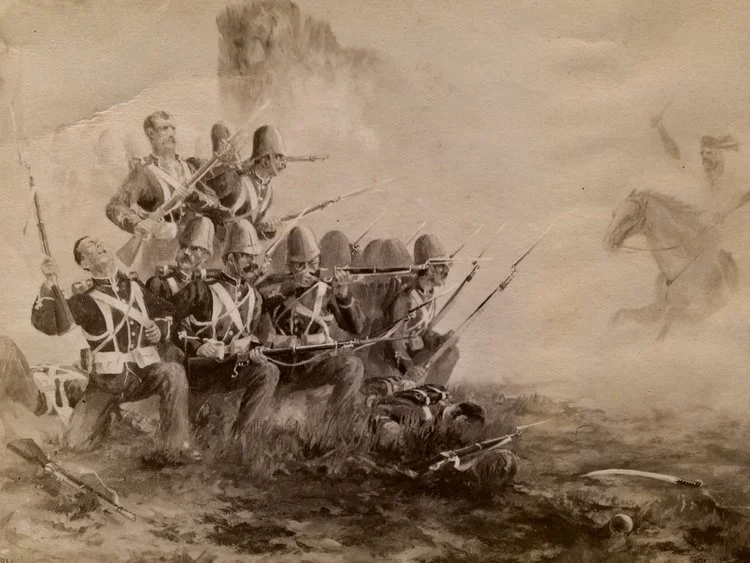
The Last Stand of Lieutenant Henn and his Sappers
The story behind the names of the ‘Native Sappers and Miners’ commemorated in the 1888 Royal Engineers memorial mosaic at the west end of the Nave of Rochester Cathedral.
Intertidal Cohesive Foreshores: erosion rates and processes illustrated by a shore platform at Warden Point, Kent
Moses, C., ‘Intertidal Cohesive Foreshores: erosion rates and processes illustrated by a shore platform at Warden Point, Kent’, Marine Geology, 442 December, 2021.
Slaves and the Unfree in the Laws of Æthelberht
The twelfth-century collection of laws preserved in Textus Roffensis, the ‘Rochester Book’, illuminates the position of those who were slaves during the Anglo-Saxon period.
Categories
Tags
- Agriculture
- Archaeological Methods
- Archaeology
- Architecture
- Artefacts
- Arts And Crafts
- Ashford
- Bibliography
- Biography
- Burials
- Canterbury
- Canterbury Cathedral
- Castles
- Cathedrals
- Chislehurst
- Christianity
- Church Fittings
- Church History
- Churches
- Clubs And Societies
- Cranbrook
- Dartford
- Deal
- Defences
- Domestic Architecture
- Dover
- Early Medieval
- East Sussex
- Ecclesiastical Buildings
- Ecclesiastical History
- Education
- England
- Erith
- Essex
- Excavations
- Faversham
- Flora And Fauna
- Folkestone
- Genealogy
- Governance
- Gravesend
- Guide Books
- History
- Houses
- Human Remains
- Industrial
- Industry
- Kent
- Landscape
- Literature And Poetry
- Local History
- London
- Maidstone
- Margate
- Medieval
- Medway
- Megaliths
- Memorials
- Meopham
- Military History
- Milling
- Modern
- Monasticism
- Monumental Brasses
- Museums And Galleries
- Orpington
- Ospringe
- Parks And Gardens
- Place Names
- Pottery
- Prehistory
- Railways
- Records And Archives
- Religion
- Roads
- Rochester
- Rochester Cathedral
- Roman Britain
- Roman Villas
- Romney Marsh
- Royalty
- Sales
- Sheppey
- Shoreham
- Social History
- Social Services
- Somerset
- Sports And Leisure
- Stained Glass
- Stone
- Surrey
- Sussex
- Swanscombe
- Tenterden
- Textus Roffensis
- Thanet
- Transport
- Underground
- West Sussex
- Women's Histories
The Papers section of the Kent Archaeological Society website features a diverse collection of standalone research outputs, including self-published papers, journal articles, dissertations, pamphlets, and short studies relating to the archaeology, history, and heritage of Kent. This area brings together both formal and informal research, offering a platform for sharing work that might not otherwise appear in traditional publications. It includes contributions ranging from independent studies and specialist articles to summaries of ongoing research and themed essays . We invite submissions from researchers at all levels, including academics, local historians, students, and independent scholars.
Submissions may include original research papers, revised dissertations, unpublished reports, conference papers, or shorter interpretative pieces that contribute to knowledge of Kent’s past. The section is particularly suited to material that is self-published or produced outside conventional journals, helping to make valuable research more widely accessible. Whether you are presenting new findings, revisiting existing evidence, or sharing a focused study, this provides an opportunity to reach a wider audience and contribute to the county’s growing body of knowledge.
Entries may be selected for inclusion in the Society’s Papers section to support research dissemination and encourage engagement across the archaeological and historical community. When submitting, please provide a clear title, author details, and a well-structured text, along with any relevant images, references, or links. Our editorial team may make minor edits for clarity and formatting before publication. By contributing, you help create an open and evolving resource that showcases research into Kent’s rich and varied heritage.