

Red-eyed monk of Mote Park
During WWII a Canadian soldier is reported to have seen a red eyed phantom Monk making his way through the park, perhaps towards the historic Archbishops Palace?
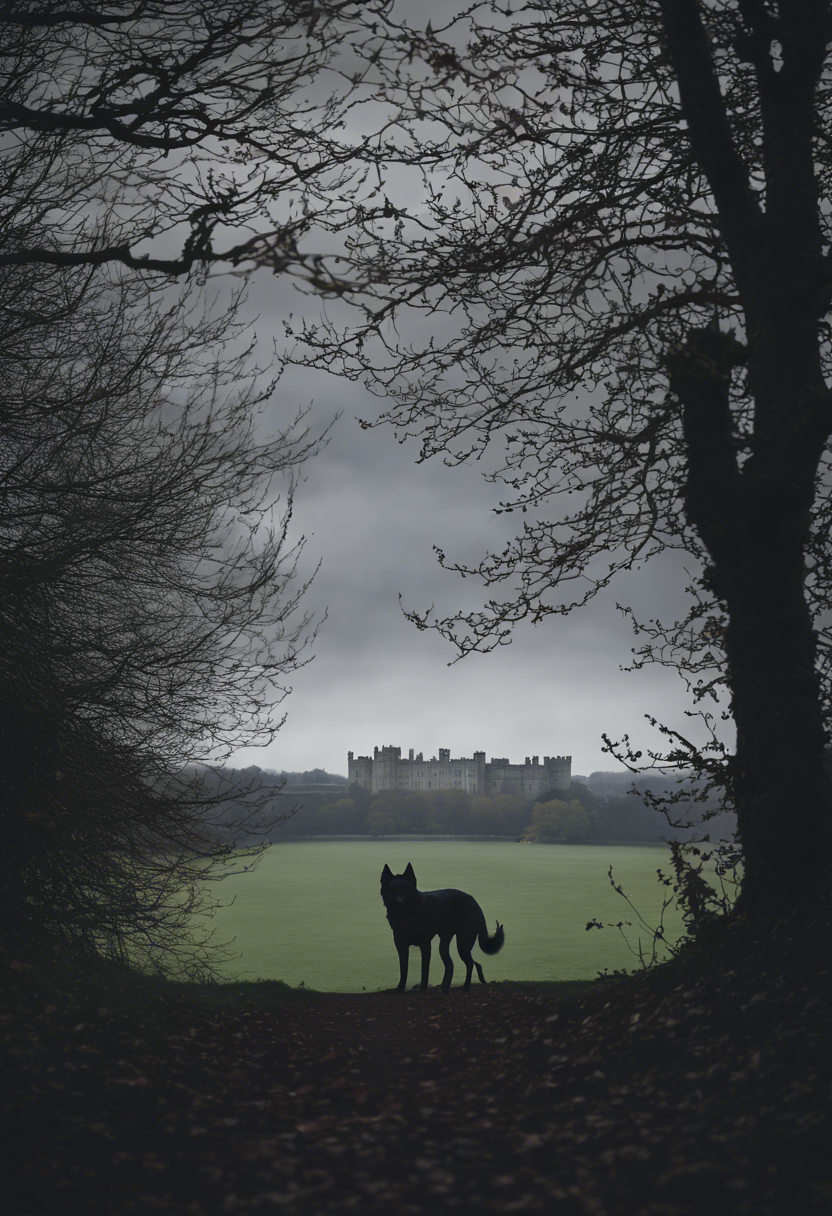
Black Dogs of Leeds Castle
Legend tells of two black ghostly dogs, one of which brings fortune, the other despair.

Lambruscam
Notes by Alan and Jean Minnerthey, Rochester Cathedral Chapter Library Volunteers.


Peridexion Tree
Notes by Alan and Jean Minnerthey, Rochester Cathedral Chapter Library Volunteers.



Salamander
Notes by Alan and Jean Minnerthey, Rochester Cathedral Chapter Library Volunteers.

Saura Lizard
Notes by Alan and Jean Minnerthey, Rochester Cathedral Chapter Library Volunteers.







Tags
- #HauntedKent
- Antiquarianism
- Bilsington
- Canterbury
- Chatham
- Dialect
- Diocese of Canterbury
- Disease and medicine
- Dover
- Dover Castle
- Fort Amherst
- Hauntings
- Hythe Civic Society
- Ian Coulson Annual Bursary
- Iron Age
- Leeds Castle
- Maidstone
- Medieval
- Modern
- Northfleet
- Pluckley
- Reculver
- Rochester Bestiary
- Scotney Castle
- Springhead
- Tunbridge Wells
The Notes section of the Kent Archaeological Society website brings together a wide range of concise research materials, working papers, and reference compilations relating to the history and archaeology of Kent. This includes databases, directories, gazetteers, and structured notes compiled by volunteers and independent researchers, offering a valuable foundation for further study and investigation . Alongside these resources, the tradition of archaeological and historical “notes” reflects the Society’s long-standing role in sharing emerging findings, interim reports, and focused studies that contribute to a deeper understanding of the county’s past.
We invite individuals, local societies, researchers, and independent scholars to contribute material to help expand this evolving body of knowledge. Submissions may include research notes, data compilations, transcriptions, indexes, gazetteers, or other reference resources that support the study of Kent’s archaeology and history. Contributions that organise, summarise, or make accessible primary sources and datasets are particularly welcome, as they provide essential tools for both specialist and general audiences.
Selected contributions may be included in the Society’s Notes section to support research, collaboration, and discovery. When submitting, please provide clear details of the content, scope, sources, and any relevant context, along with appropriate references or links where applicable. Our editorial team may make minor adjustments for clarity and consistency. By contributing, you help build a practical and accessible research resource that supports ongoing scholarship and encourages new insights into Kent’s past.