
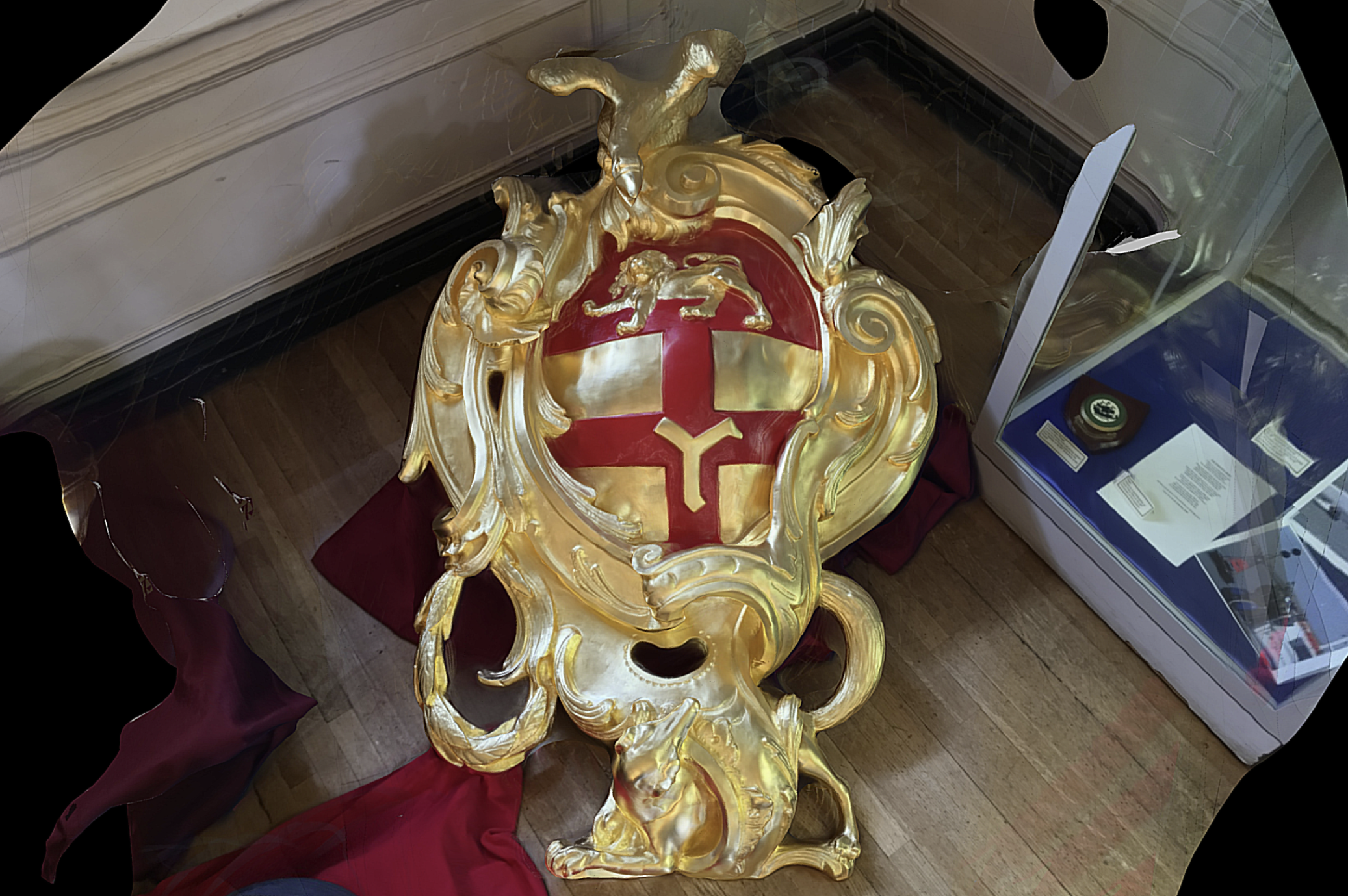
Rochester Guildhall Museum
The Guildhall Museum, Rochester features the history of the Medway area within one of the finest 17th century buildings in Kent. The Rochester Guildhall was built in 1687 and incorporated a courtroom and council chamber.
Updated
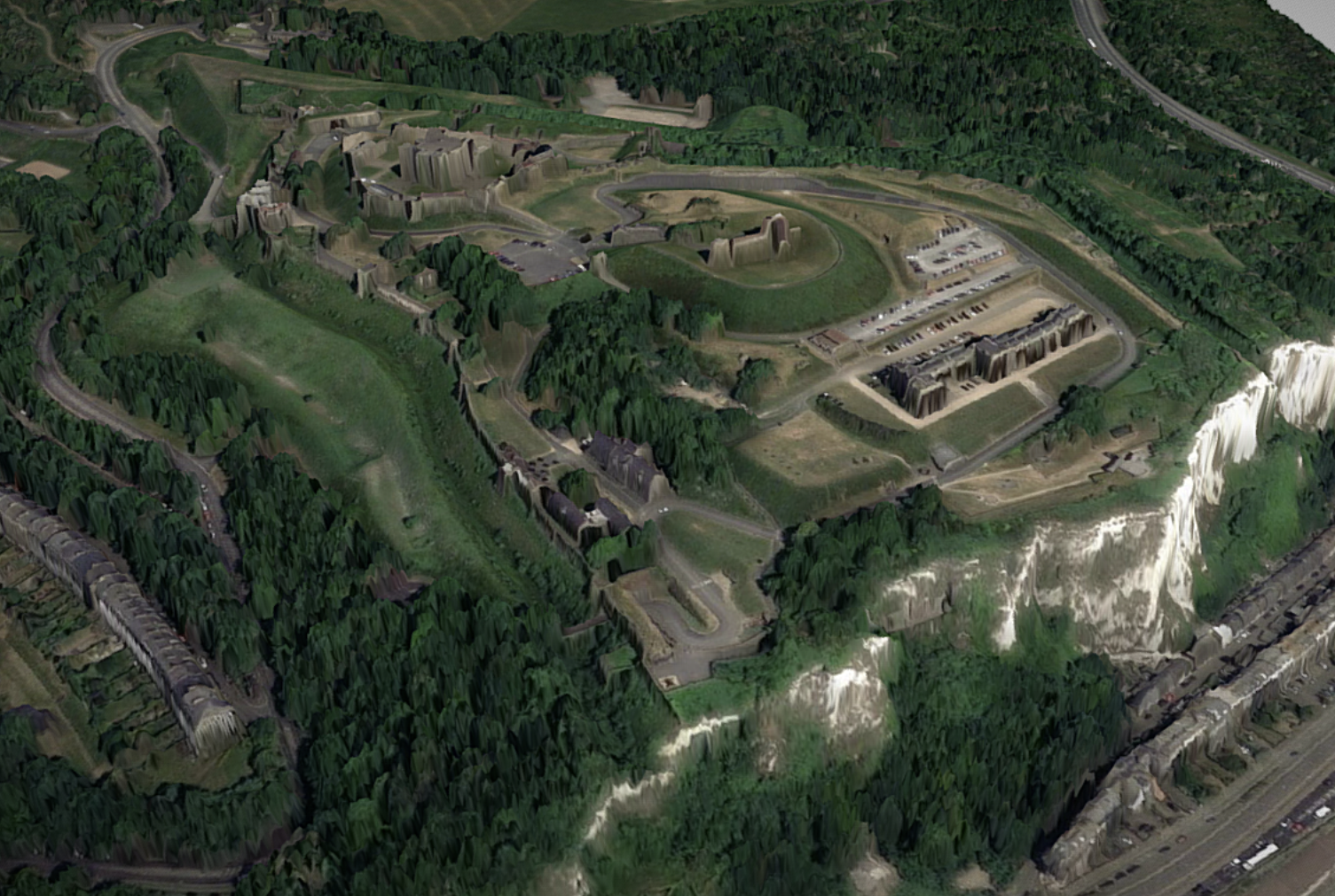
Dover Castle
Dover Castle is a Grade I listed medieval castle founded in the 11th century and has been described as the "Key to England" due to its defensive significance throughout history.

Deal Castle
Deal Castle is an artillery fort constructed by Henry VIII in Deal, Kent, between 1539 and 1540. It formed part of the King's Device programme to protect against invasion from France and the Holy Roman Empire, and defended the strategically important Downs anchorage off the English coast.

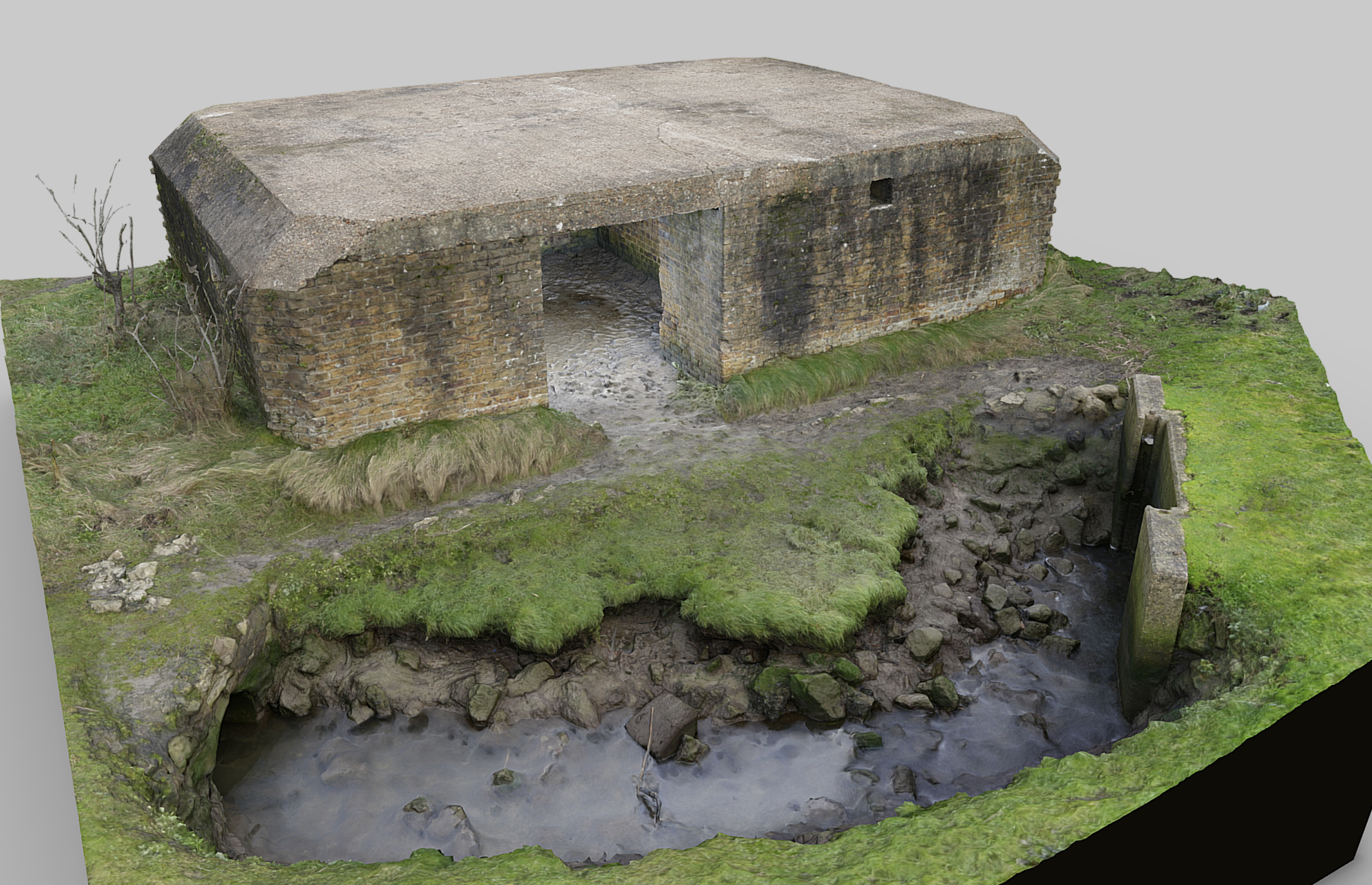
Hoo Marina
Military defences and Thames barge wrecks at Hoo Marina in Kent recorded by Sketchfab’s Artfletch.

‘Witch bottle’, Margate, 19th century
This ceramic jug was found in a house in Margate, buried upside down below the cobble floor. It appeared to be deliberately dug into the chalk substrate, and was placed beside a former fireplace. The pottery has been provisionally dated to between 1790 - 1810 AD with the house being built by at least 1850 if not earlier.
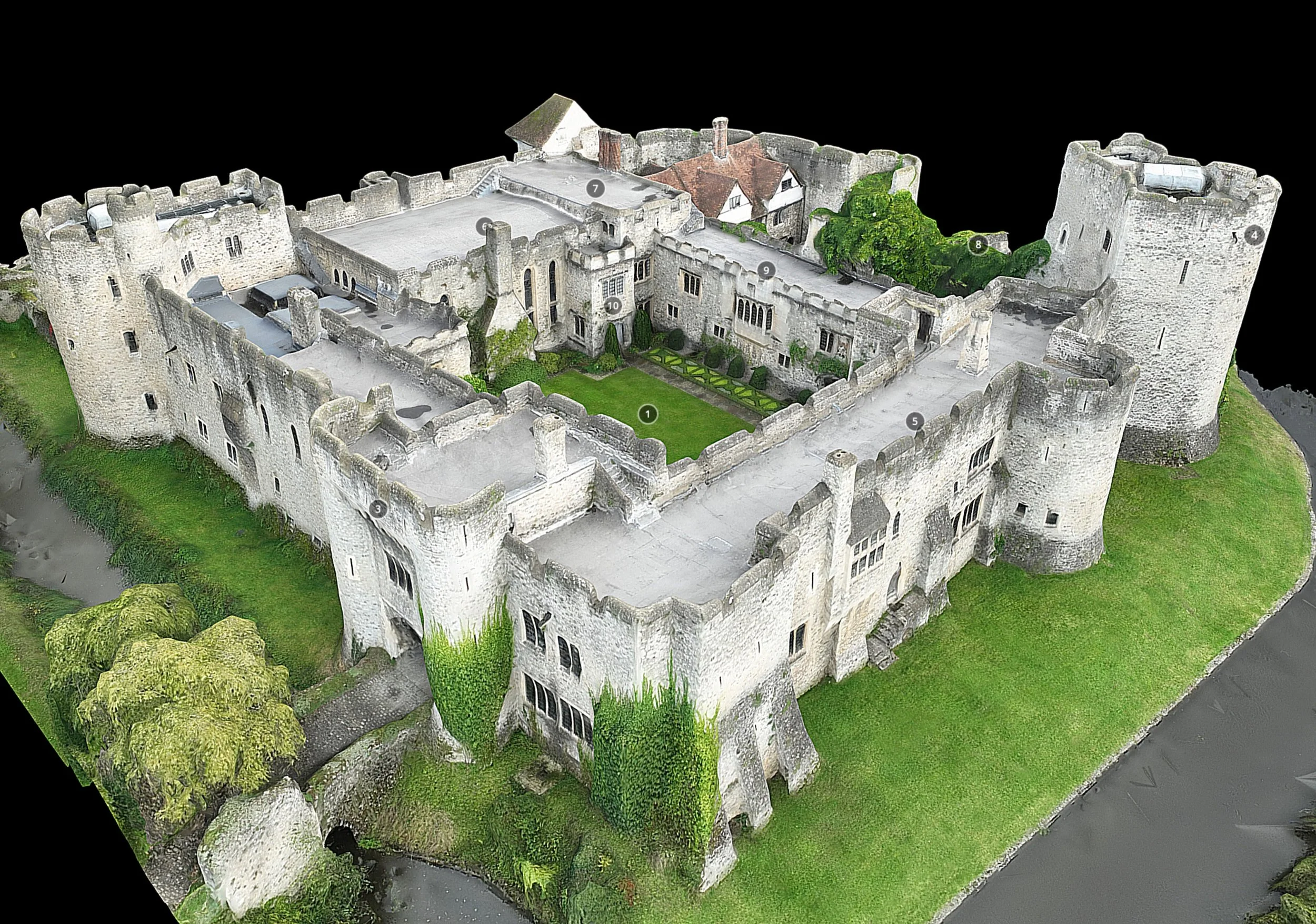
Allington Castle, 12th-16th century
Allington Castle is a Grade I listed medieval stone castle in Allington, Kent, just north of Maidstone. The castle is not open to the public, but is used as a wedding venue and has featured in several films and television series.
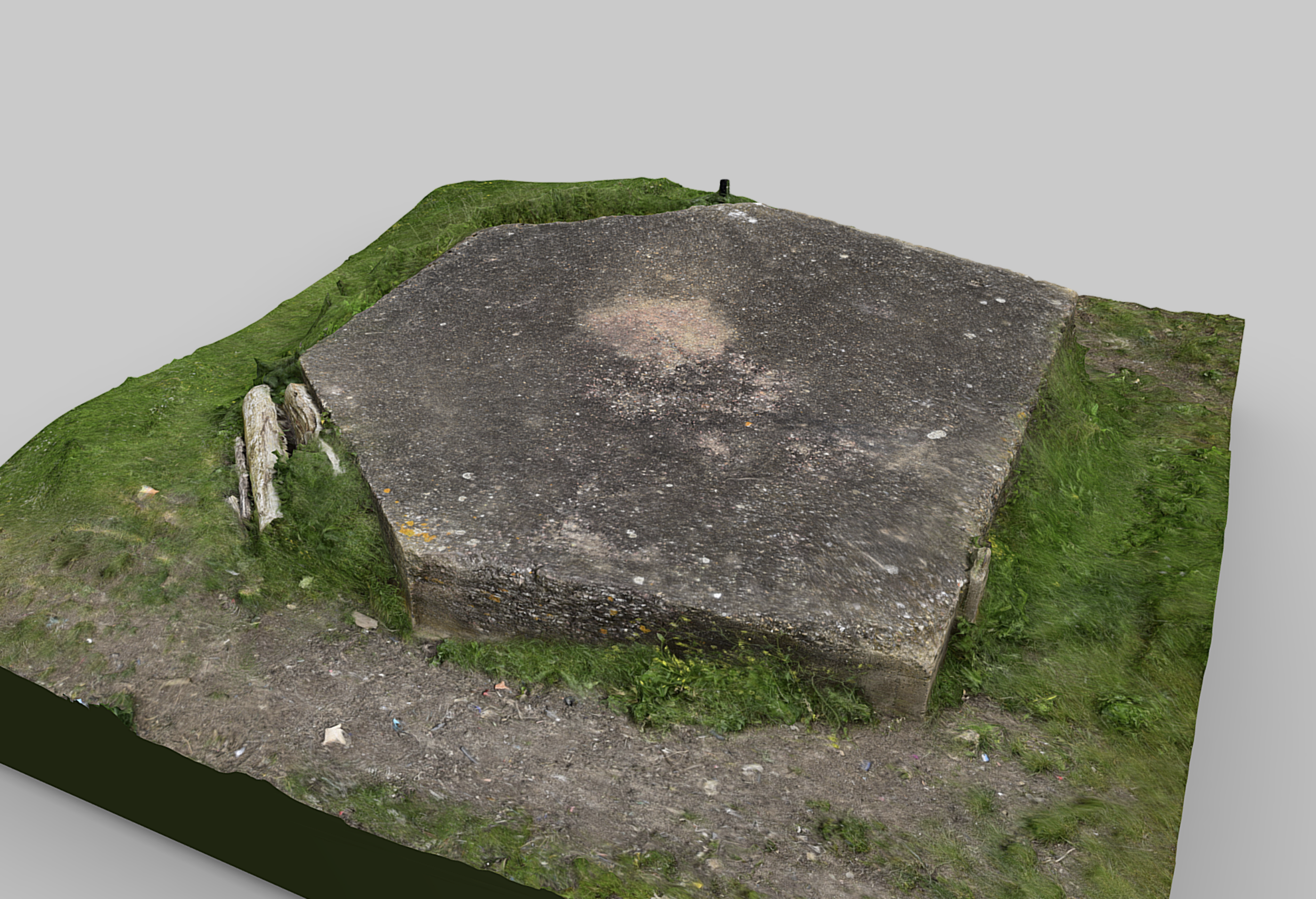
World War pillbox, Thames Path
A Second World War pillbox at the right angle bend in the Thames Path between Shornemead and Cliffe Forts, Kent (ADS).
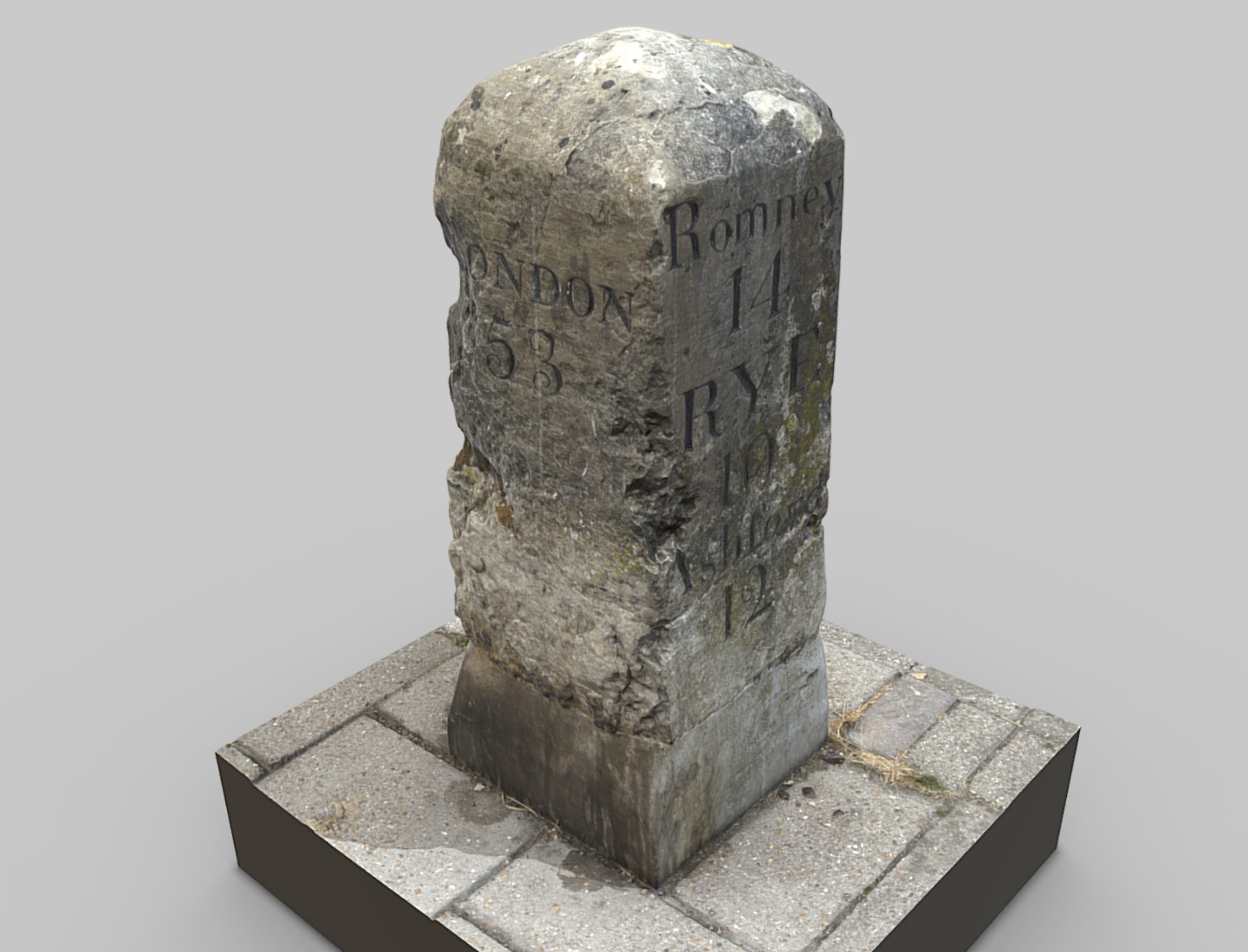
Boundary stones and street furnishings
A number of boundary, milestones and assorted street furnishings from around Kent recorded by Sketchfab’s Artfletch.
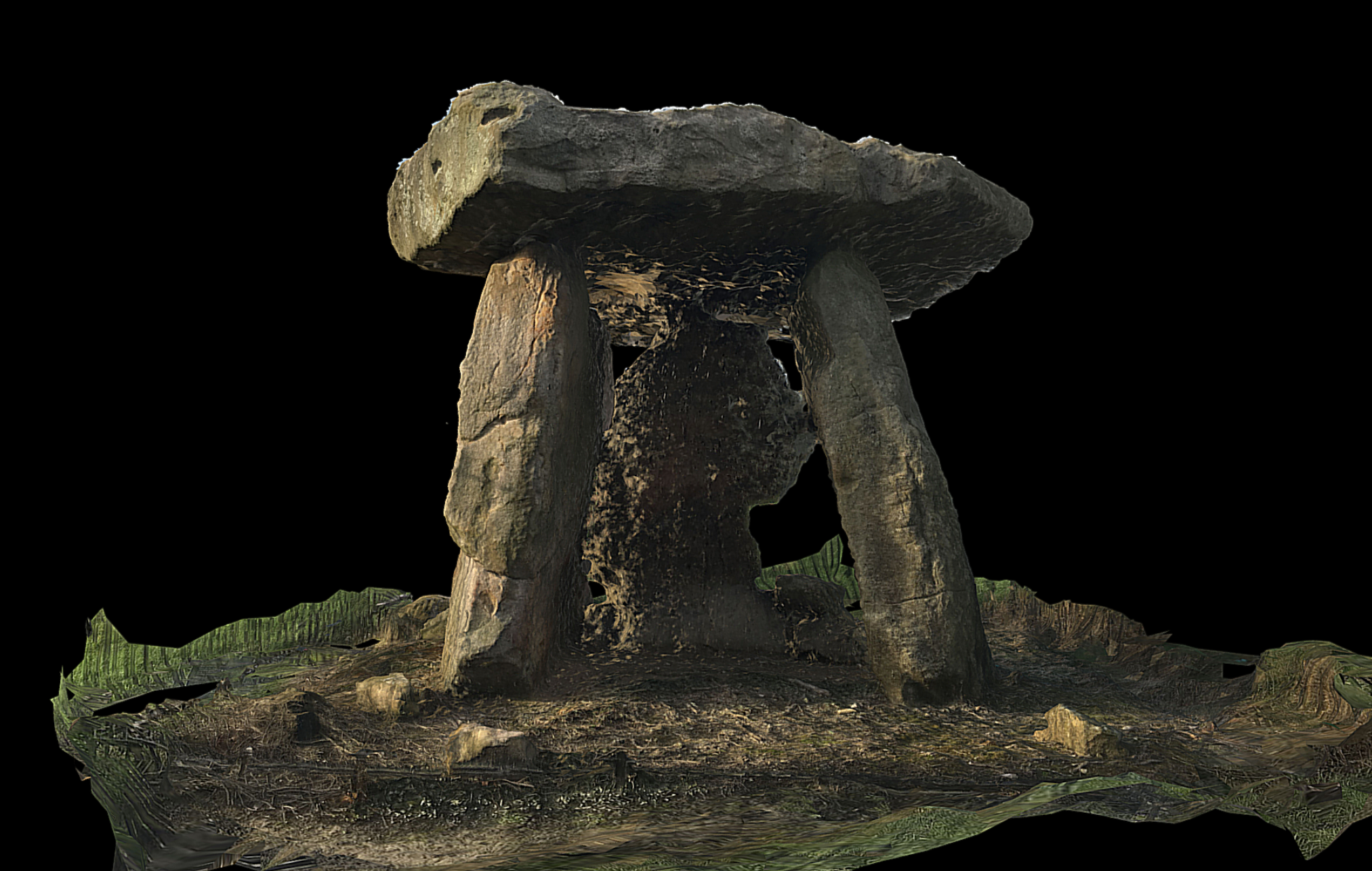
The Medway Megaliths, 3rd millennia BCE
The Medway Megaliths occur in two groups some 9km apart on each side of the river Medway and are the only megalithic long barrows in England east of the Berkshire Downs.
Updated
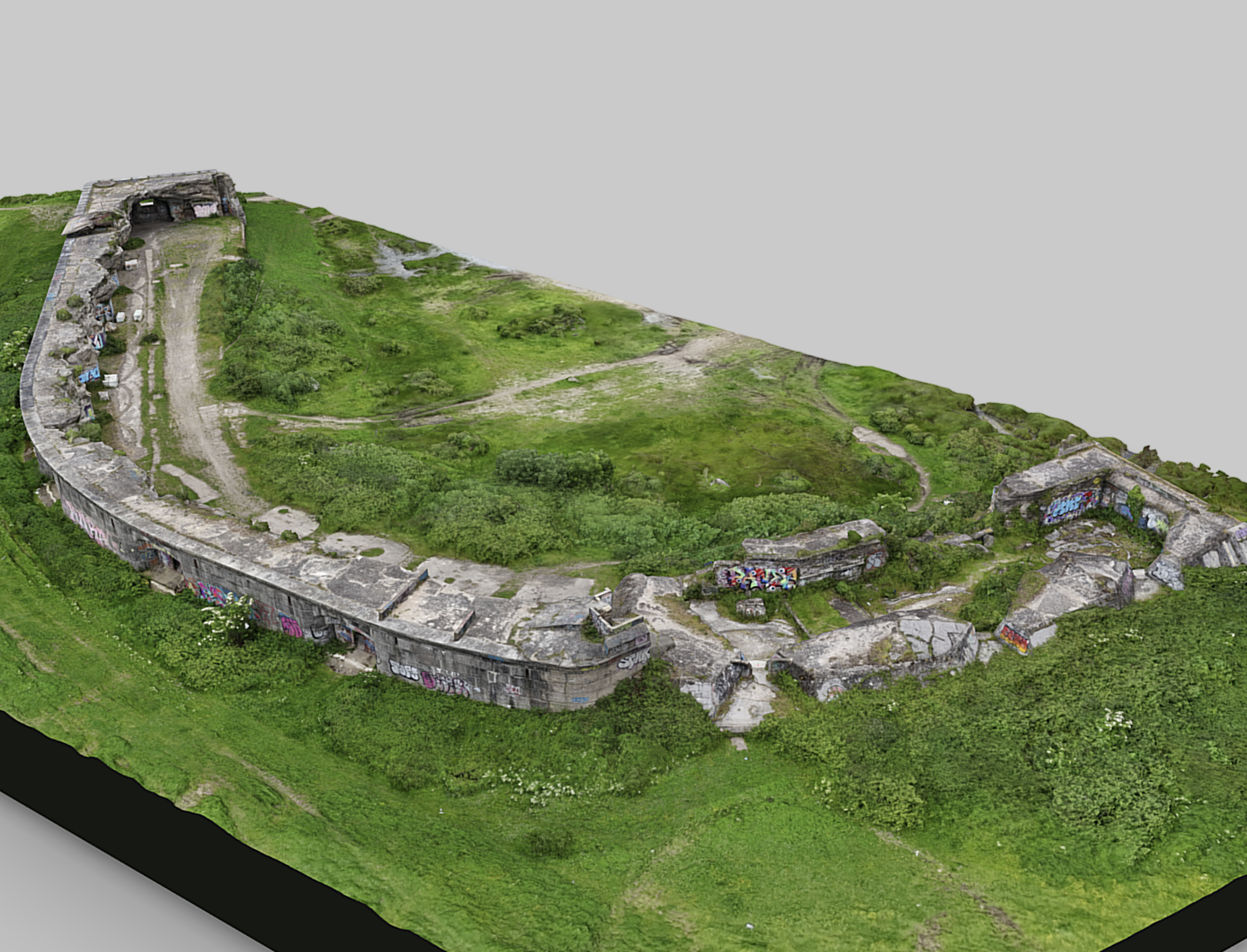
Shornemead Fort, 1860s
A disused 1860s costal defence fort on the south side of the Thames Estuary between Gravesend and Cliffe, Kent, England.

St John's Jerusalem Chapel, 13th-century, Sutton-at-Hone
The eastern (chancel) section of the 13th century chapel of the commandery (or preceptory) of the Knights of St John Hospitaller at Sutton-at-Hone, near Dartford.
Categories
Tags
- Addington
- Aldington
- Allington
- Architecture
- Badlesmere
- Benenden
- Boxley
- British Museum
- Burham
- Canterbury
- Canterbury Cathedral
- Capel
- Castles
- Ceramics
- Chatham
- Chatham Historic Dockyard
- Churches
- Cliffe
- Cobham
- Defences
- Discover Roman Otford Project
- Dungeness Nature Reserve
- Earthworks
- Edenbridge
- Excavations
- Farningham
- Faversham
- Follies
- Fort Amherst
- Furnishings
- Gardens
- Gravesend
- Greenhithe
- Human Remains
- Ice House
- Industrial
- Ingress Abbey
- Iron Age
- KAS Collections
- Knole
- Lees Court Estate
- Lenham
- Little Bayham
- Maidstone
- Maritime
- Medieval
- Medway
- Memorials
- Metalwork
- Modern
- Monasticism
- Museum of London Archaeology
- Otford
- Ozengell
- Paintings
- Prehistoric
- Queenborough
- Randall Manor
- Rochester
- Rochester Cathedral
- Sandwich
- Smallhythe
- Statues
- Stone Artefacts
- Sutton-at-Hone
- The Medway Megaliths
- Trottiscliffe
- Tudeley
- Tunbridge Wells
- Ulcombe
- Upchurch
- Upper Hardres
- West Malling
- World War I
- World War II
The Models section of the Kent Archaeological Society website showcases a growing collection of 3D models, virtual reconstructions, and immersive tours that bring Kent’s archaeology and heritage into a dynamic digital environment. Using techniques such as photogrammetry and digital modelling, the section allows users to explore artefacts, buildings, and landscapes in detail—from individual objects in the Society’s collections to full virtual tours of churches, historic sites, and excavations . These resources provide new ways to engage with the past, offering interactive experiences that complement traditional publications and images.
We invite individuals, local societies, researchers, and digital specialists to contribute 3D models and virtual content to help expand this innovative resource. Submissions may include photogrammetry models, digital reconstructions, virtual tours, or interactive environments that explore archaeological sites, artefacts, buildings, or landscapes in Kent. Contributions that combine visualisation with interpretation—whether through guided tours, annotated models, or linked datasets—are particularly encouraged, helping to make complex material accessible to a wider audience.
Selected submissions may be featured within the Society’s Models section to support research, education, and public engagement. When submitting, please include details such as title, creator, date, and a description of the content, along with any relevant links or access requirements. Our editorial team may make minor adjustments for clarity or presentation where needed. By contributing, you help build an evolving digital archive that preserves and shares Kent’s heritage through cutting-edge visualisation and interactive technology.