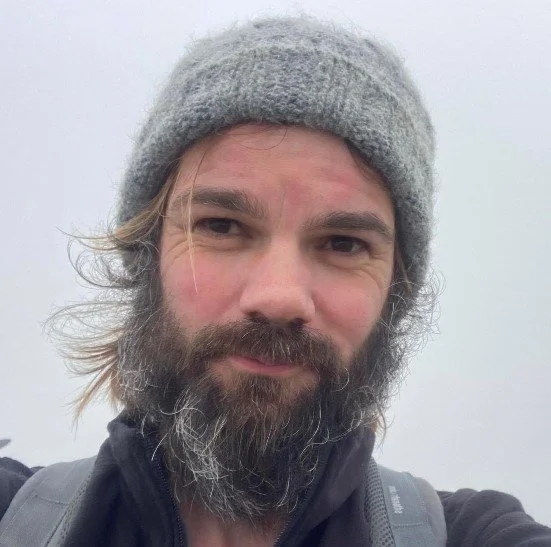
Diving With a Purpose: The SS T.R. Thompson Project
Description: An online talk by Tad Taberer on the discovery of the shipwreck of the SS T.R. Thompson, of diving and recording the historic steamer and of the incredible connections that followed. On Good Friday, 1918, at ten to four in the morning, the SS T.R. Thompson was torpedoed by a German U-boat, ten miles into the English Channel. 33 of her 36 crew were killed, three survivors could only remember an enormous explosion before finding themselves in the water. The T. R. Thompson steamship was built in 1897 by Short Brothers of Sunderland and had been taking a cargo of iron ore from Algeria to Middlesbrough when she was torpedoed by the U-Boat UB-57, along the south coast during World War I. The wreck's position had been known since the 1980s and it was adopted by Meridian Divers who explored the site and searched for descendants of the crew. Tad Taberer was one of the divers and coordinators on the project to look into the T.R. Thompson and find out about its history. One of the main objectives alongside telling the story of the steamship, was the hope to find any living relatives of the unfortunate crew. Tad tells us his amazing story of the shipwreck discovery, of diving and recording the historic steamer and of the incredible connections that followed.
Transcript: all right well that is 7 o'clock so welcome hello everyone and welcome to the fourth in our series of exclusive online talks for the Kent archaeological Society hard to believe it's been four months already it's flown by but um yeah welcome it's getting chilly out there and the Spooky season is upon us all those lovely autumnal orange and rounds are covering the country like a fiery blanket and it's a perfect time to get cozy and soak up the history and Heritage of the county of Kent which is what and and the surroundings which is what we hope to do so hopefully tonight we'll go without any technical hiccups and we'll run smoothly do please bear with us if there are any issues now Jacob has taken annual leave from his annual leave to be on hand to fix any issues tonight so we're in to him even more than usual just quickly want to say if you're not a member do think about joining us it works out only about three pound 30 a month and for that you'll receive a copy of our yearly Journal archaeologia cantiana full of the most current historical and archaeological research in the county you'll also receive our biannual newsletters exclusive access to our collections conferences and selected events opportunities to get involved in excavations and research projects and and you will help to continue to allow us putting on contents such as these online talks Outreach at schools Community groups and seminars which we hope is really bringing the benefits of history and Heritage to everyone check the website for details on how to become a member so first up housekeeping the talk will last um around about an hour after which we'll have time for questions if there are any please keep yourselves on mute with your cameras off throughout uh so we can hear the speaker clearly during the Q&A you can either use the raise hand feature and we will unmute you when it's your turn to ask you a question or if you prefer you can type your question in the chat box and we will read it out for you I hope it goes without saying but please be courteous and polite to our speaker and to each other we will be recording the session and it may be posted to our video channels in the future but no personal data will be shared and if you ask a question but would prefer it not to be published then just send us an email and we will make sure it's not included so on to our speaker Tad is the CEO of Maidstone Community Support Center supporting not for-profit organizations to support communities in Kent this is also the home of the society where we have not only our offices but many of our Collections and research projects are conducted so it's Tad's job to oversee manage support and develop the functions and Associated project of the center in past roles Tad has been the Senior Community Development officer at rethink working to ensure equality in access to Mental Health Services across Kent and Medway a lead District officer at menap and a self-employed roofing contractor amongst other things he is the chairman On The Board of Trustees for Fusion Healthy Living Center a center offering various health and well-being services and social support across ma here's several qualifications in Social care training leadership and management mechanical and electrical engineering and most relevant to us tonight qualifications as a professional scuba diving instructor his talents and skills extend further and it's in his leisure Pursuits where his passion truly lies Tad has an office full of brilliant photographs showing him looking incredibly cool on various motorbiking adventures and paragliding um insanities which probably all I can say uh he has been diving for many years on the Southern Shores of Britain and much further a field if you want to find out more you can find his diving Group Meridian divers who are based in the Southeast and numerous Expedition videos online I think we've put a link actually in the chat there to um some of his videos but on Meridian div. blogspot.com or you can simply search Tad's name on YouTube and um I can attest it will come up with a whole host of amazing videos so underwater Adventurer Born to Be Wild human Eagle adrenaline junkie carer for his community and a genuinely lovely bloke I'm really pleased to welcome Tad and excited to hear all about the expedition to the SS Thompson which I must say that this was um something that that we got wrong they didn't discover the wreck but they uh adopted it and dived on it and and you all are about to hear the incredible story which came from it so I'm gonna call this our first Tad talk and uh Tad it is over to you buddy okay all right the Cy thank you Craig sound like James Bond almost but thank you um before I put the the um the slides up for the presentation I feel a bit of a fraud because the uh the dive and the Shipwreck what we're going to be talking about tonight was actually in Sussex but as you probably all know there's many shipwrecks Around the around the coast of England we we the coast of Britain we're we're in Ireland obviously and and there's many shipwrecks off of the coast of Kent as well um but this was more about the project and you know a group of guys that were just just divers love diving and uh and a bit of a journey on this particular shipwreck which we had dived before but we decided to dive deeper so to speak into its history and its crew um so yeah this this it's not a Kent wreck so I do apologize I know this is the uh the Kent archaeological Society but um this was a Sussex rack um and this this talk really came about from Craig Andy and the rest of the ks team in the building just sort of chatting and sharing um um you know what what I like to do and I showed remember showing Craig and Andy and I think probably Richard as well the um the the videos of uh the the the rec which we're going to talk about and uh Craig asked if I would do a talk and so here I am and so bear with me it's been quite a few years since I've done this and actually the last time I did it it was live and fact previous times it was live so I'm quite a newb to online stuff so I'm probably going to be a little bit clunky so I apologize for that um and some of the video quality this was a few years ago now may not be brilliant because it was shot in standard defition with a really large camera nowadays everything is done with Ultra HD GoPro which you can put in your pocket so I do do apologize props for theity of the videos but um so I shall proceed with the um the the slides if I can get them up go okay slides show from beginning okay so this is the we were a group of divers Meridian divers we love to dive shipwrecks and uh the particular shipwreck we're going to talk about in a bit is the sstr Thompson and the NES which is the nautical archaeological soci soety adopter W project so a bit about my background as Craig says I I do like things that potentially kill me um diving has always been a a big love love of mine as a kid in the 60s and I'm show my age now but I started watching jacow on the TV and just instantly that's what I wanted to do I wanted to become a diver um spent many hour in the bath with my face underwat of a little round mask which was bought from the toy shop with a pom a ping pong ball inner and a snor stuck at the top which is highly dangerous but just being under the water that's all I wanted to do and um so I just that's I wanted to be a diver and actually I wanted to be an archaeologist but uh I wasn't very academic at school so archaeology didn't really wasn't going to be the thing I ended up doing um back in those days uh you couldn't learn to dive until you were 18 and um I had to wait till I was 18 and I joined uh the Hastings uh sub Aqua Association uh their their club and learned to dive in the pool and the World opened up to me it was great and I just absolutely love being underwater and being being able to breathe underwater was was just incredible sorry to interrupt um we can't see your slides have you started have you started so I haven't shared the screen sorry that's okay I'm GNA make you host again and then share the screen for us thank you let me come out SEC right hang on a sec uh um you might need to open it full screen that's the one thank you very much sorry about that that's okay okay um so that's that and uh so I I learned to dive as 18 I did have a few years out of it got into other things had to work um but back in the late 80s I got back into diving um I learned I retrained as a Paddy diver um you say as pay as you dive but uh I then became an instructor a few years later um and then developed a a passion for shipwrecks so which led me on to where we are now so a few years ago in 2000 uh late 2000 a group of divers from New Haven um we're all instructors or dive masters with a with new H scooper Center we wanted to do a project so we formed a group a project group and we called ourselves M and divers um and we wanted to see what was Fair coast and you know we love diving shipwrecks and uh I can tell you a bit about the equipment we use I can show you a film about a shipwreck in a minute and uh and OB say we're g to talk about the um TR Thompson adopter project so as I said meridium divers was primarily set up for the adopter rec scheme um which uh so sorry moves on to that so they approxim four to 500 ship wrecks off the Sussex coast and probably many more off the Kent Coast wrecks range from a right period of time there Iron wooden built vessels there obviously other other ship wreck other wrecks like aircraft and probably many more yet still to be discovered or identified I mean I was part of tumbridge Wells bezac a few years ago and uh we were diving Rex which had either been misnamed or unknown and we made it a passion of ours to actually identify what try and find Clues to to find out what the actual identity of those ships were or actually name a ship which hadn't been named or wrongly named this slide here shows you just a part of the Sussex coast and all those little green boxes and Yellow Boxes were all wrecks and this is just from New Haven to probably Hastings so you can see there's there's at least 500 of the Sussex coat that we know about and there's probably many more and just in comparison sorry I'm not quite sure there should be another slide there Craig can I just come out of that see that yeah thanks Dad okay thank you sorry about that I don't know why it was doing that but it showed the wrong slide so this this slide here I just talked about this is some of the wrecks off of the East Kent Coast here and some of those are well known some of those on the good goodwi Sands to be honest I've not dived off the K Coast I've dived a lot of places around the UK but I've never dived off the Kent Coast in the past as you can see there there's there's hundreds of shipwrecks in just this part of the coast I should imagine there's probably more wrecks off the Kent Coast than there are off the saex coast so why do we dive shrecks I remember the first time I ever saw my first wreck and my foot it was actually on my first dive ever which was in a homemade wet suit um it was off a little rib off of Hastings um a harness with a tank on the back and it was pitch black so I wouldn't I actually saw this ship W I felt it it was an old steam ship which was sitting on the bottom about seven miles off of Hastings um I was terrified as I said was Pitch Black was holding to rope a DI G around and laid a rope around because we're all on our first dive and uh it was terrifying but I just knew I was hooked even though it was terrifying I knew I was hooked it's the thing I always wanted to do obviously with All Ships and all shipwrecks there's a story um and that can be a fascinating story and nine times out of 10 it's a tragic story because those wrecks obviously of people's Graves as well and I really do feel privileged to see that part of our history that relatively few people do get to see I mean people lots of TV programs Outlets about diving and shipwrecks but to actually go out and do it for real is amazing and I do feel privileged to be to be able to do that and to be done it in the past and I feel privileged because I've dived in many places in the world um and see the nice nice fish life but also SE some really nice interesting shipwrecks um just a digress slightly there's a shipwreck in Egypt in the Red Sea called the fisal born which was sank in the uh Second World War by German bomber and it's probably in the diving world it's probably one of the most well-known ship wrecks but this wreck is a time capsule as well it's full of motorbikes old trucks um guns rifles aircraft Parts strangely enough to be supplied to the desert loads of Wellington Boots as well so and that's just an amazing dive and obviously the the visibility is really good in the Red Sea but I am very PR priv to experienced what I've experienced we want to you know when I go diving and and it's not as often now as as I used to in fact you know it's been a few years since I've dived a shipwreck while I got back into diving last year um because work and other things take time um I started taking a camera with me and started started filming on a big got a love of that so I used to do bits of film with an old standard def definition camcord in a massive great big housing and um and actually BBC used to use a couple of my shots a few times ask if there's anything they could use with they doing a a shipwreck or related um uh news news article and as divers I think we got a responsibility so divers in the past have had a bad press you know rex have been sort of things have been taken off Rex um and I know the last few years somebody was um was charged for taking lots of old cannons and things and kept just kept them in a shed um we're not about that we're about actually finding out the history of the ship respecting that wreck respecting the the people that perhaps died on that wreck as well to us that's that's really important and it's always been important to me the other thing with wrecks is they have a second life once they've sank to the bottom they start attracting life um if you can imagine a desert and that's what the seabed is like it especially theet Coast it's flat muddy there are the odd Rocky um reefs but on the whole it's flat and and quite muddy you get a ship shipwreck and it is actually teaming with life and and they're beautiful it is a beautiful thing to see and you hopefully with the video works okay in a bit you'll see that um and it is a testament to the to the sailors and and the people that once walk their decks the sort of shipwrecks we we dive a lot of them War casualties um and others are in accidents there's a really beautiful um passenger ship off a su it's called the Oceana and it's stunning it's just beautiful it's you can still see the lines of it it's it's it's a beautiful shipwreck it um people did die on it but it was it was carrying passengers it was rammed by accident and uh when people evacuated a ship one of the um the life boats was hit by a piece of foring wreckage and the guys in that which your crew in that in that life boat died so the equipment we use Regulators exposure suits I use a dry suit the English Channel even in the middle of the summer can be quite chilly and uh I've always preferred to use a a dry suit so basically a dry suit is if I can get this out that's the dry suit okay so that basically keeps water out and a semi- dry will let a small amount of water in like they call it a wet suit but I've always preferred to use a dry suit which presents its a different set of issues because sometimes if you're not weighted properly the air gets in your in your in your feet and you can be upside down and you got to be bit careful so dry suit is a bit more technical but I think a lot of the people that dive in the UK now use drrive suits these Regulators they the things you put in your mouth and breathe from um and you have them serviced every year that is basically that keeps you alive this picture here are our cylinders now often you hear people say oh you breathe oxygen we don't we breathe compressed air or we breathe mixed gas so that can be a mixture of um we call Nitro so it's got an element of more oxygen in it than than normal air and we use that to give you slightly longer underw waterer and help prevent um decompression sickness or the bends as they call it masks and helmets I think everybody probably knows what a a diving masks looks like I do have a fullface mask as well which I find difficult because I I have trouble equalizing sometimes so when you dive the pressure builds and you have to equalize your ears sometimes like when you go up into an air aircraft you have to equalize exactly the same when you dive because the pressure pushes on your ears so you have to make sure that that you equalize and you don't burst your ear drums um and some people use helmet especially if you're going inside a wreck you're penetrating a wreck or if you're cave diving you it's probably best to wear a helmet because you can bash your head quite badly and obviously cameras um nowadays as I said earlier on camera camera digital cameras have really taken over and the and even for video cameras it GoPros is is is one of the the best things because they're so small and you can literally put it in your pocket the camera I used was um was a quite a large probably about a foot long probably about 8 in wide and you put a camcorder inside it and it was weight had big leg Le weights on the bottom of it to make it um so it wasn't buoyant and it was quite heavy to to carry around it was all in the water but under benath the water it it was fine but it was quite bulky and now is there's GoPros which is seems to have taken over so the SST Thompson project and the uh Meridian divers do W so I'm going tell you about the N so the Nas is the nautical archaeological Society quite a few years ago in the 80s I decided that um I was never going to be an archaeologist as I said earlier on I was an academic but the opportunity came up to do um an underwater basic underwater archaeology course which was all done in a pool so it wasn't real life but it was still showed you the challenges so we learned to set datums underwater and measure things underwater and draw things under water um and I did the part one and part two course which was great this is a bit of um blur about the adopter re scheme which was originally devised in 2000 we're funding from Heritage Lottery fund and the scheme serves a way of encouraging the public to actively record the sites they're visiting and everyone who's adopted the site is encouraged to sit submit their work for the annual doct wre award um and it can be it doesn't have to be a shipwreck it can be a structure it can be an aircraft it can be a um a I think somebody found off this off the coast down down West Somewhere remains of an Old Village um so it it doesn't have to be a shipwreck to be um class as a for the adopter wre scheme but as a group of divers we decided that's this is what we wanted to do we wanted to identif uh adopt a wreck and uh see where it took us so we decided on a well dive wreck called sstr Thompson which is a wreck about 12 miles off of the uh New Haven Coast nothing particularly special about that wreck except um we like diving it and it was sank in the first world war and uh we just wanted to find out more of it so we started having as a group got together to start discussing what we wanted to do and the guy in the beard with the blue polo shirt on is a guy called Ian Bara and he was from the Nas and he came down and talked to us and uh guided us on our on our projects so we started planning what we wanted to do and Meridian divers was formed so there's another bit of blur about about this scheme and we looked at this and we thought this is something we really want to do and we're not scientists we're amateur divers we're sport divers we're not professional divers although I'm classed or I was classed as a a professional instructor which meant I had to have um health safety uh assessments every year at HSC medical every year um so in in theory I was classed as a commercial diver but I never got paid for what I was doing I did it because I wanted to wanted to teach people to dive and share the sort of things that I I I love doing so that's the more blur about the the adopter re scheme so we set up our project which was the midium TR Thompson project and we Lo we thought it'd be around two years and it was going to be conducted by us volunteers Meridian divers and our was to find out and record the historical and factual information through landbased research underwater investigation the Rec site as I said it's a well-known wreck we've dived it loads of times but it's a beautiful wreck too and this we felt this would be a really really good project to to to do this wck in particular we then decided what we was going to do so we' put together a record of the Rex history it's present day conditions and we're going to monitor it and we're going to use that by including video and photographs and we were going to design a website Well we'd actually put it onto a blog site that was easier easier for us to do and that would be accessible for anybody who was interested in the project I said the project would take around two years and culminating in the final report using everything we'd found out and then we were going to enter it into the nas adopt ere award scheme so a photographic survey of the wreck we''re going to map the wreck we're going to video survey the wre we're going to do lots of archive research we're going to publicize a project with TV radio and press we'll be more about that in a bit and we were going to produce the detailed publication video DVD some of those things didn't actually happen we didn't produce a DVD although we produce videos which on YouTube um we certainly publicized a project with TV radio and press and we did a lot of research and if you go to the blog you'll see some of that research and the research took us off in all sorts of different directions in places we never thought we'd end up in terms of this particular wreck uh the website as I said became a Blog um we talked to other clubs we talked to fishermen we talked to the nas um and we just used every bit of information we could to to to make sure that our project was going to be successful and actually as I said earlier promotion of responsible diving so we we're going to go down and we're going to respect the Rex we wer going to take things off the wreck we G to um raid a wreck as such we were just going to this treat it with respect it was somebody's grave there are things which have been bought up from the rexs in the past and all those things have been with BL wck not from us but other people which I should show you pictures a minute were um declared to the receiver of wreck so anybody that finds something on a wreck has to declare it to the receiver of wreck and who will then find out who the owner is the rightful owner or what to do with that that particular artifact once it's been found and brought to the surface um just another story a friend of mine um Jamie Smith who's from TD Wells bzac a few years ago he dived the the Oceana which was the passenger ship I I was talking about earlier on I saw something sticking out sand at the sidal wreck and it was a big brass plaque he pulled it out and it was a Comm commemoration plaque which was um to commemorate the regiment from Nottingham um I think the Sherwood Foresters regiment um and their families who died in India IND from disease and this this was going going out to India to go on one of the church walls out there unfortunately the ship the ship sank So Jamie pulled it up brought it to the surface cleaned it up um notified receiver of the wreck and from that we went up to the um the regimental headquarters for the shood Foresters and we presented the plaque back to them um and it was great it's now in their their regimental Museum so it's it was really good thing to do obviously as I said the uh recks become full of life so we identify what particular marine life is on the wreck um how it's growing and obviously marine life is a good a good way of looking how healthy the the water is around one thing of this particular wreck is that in the summer probably late summer you get lots of dolphins around there and we one day we came up and we had about 30 bot those dolphins who stayed with us for about an hour it was amazing you you don't expect it in this country but that was amazing and obviously we entered the project and the results and data for the na Nas award so the TR Thompson this is the STV view of the T Thompson it was a merchant Seaman um it was carrying ior from um Algeria back up to Sunderland um and it was torpedo in 1918 uh there was a crew of 36 and 33 of those crew died when the ship was sank in the English Channel That's support Bell view of the ship for some reason those ships just look beautiful I mean the lines of them are amazing so sunk by torpedo in the early hours of Good Friday 29th March 1918 she was carrying a Caro from Benny saf in Algeria back to Middle with a crew of 36 33 men died three Sur divers picked up by a nearby vessel it was sunk by ubot UB 57 that is purported to be a picture of that particular ubot I can't clarify that exactly but this was in the research we we looked that this was the uh this was said to be that particular ubot and this command Yo yoans Lo was the ubo captain he looks like a a teenager a very very young man he was killed later in August 1918 and his body was washed ashore near Flanders he had a period over that period when the Thompson was sank I think over about five days he sank about five Merchant racks off the Sussex coast and this was probably the type of torpedo that sank the Thompson I'm not sure where that where that torpedo is but that was reported the uh the thep the same type of torpedo uh the Thompson was built in sundland by the short Brothers in 1897 it was a Ste steel screw steamer one deck two M scooner the engine builder was John Dickinson of Sunderland a triple expansion Steam engine and when I show you the videos in a bit you'll clearly see that she was owned by the Jay westol line it's sister ship I think is's in ten Reef sunk out we always wanted to go ten Reef to dive the sister ship one of the sister ships and sorry I can't remember the name of it now but uh but we never actually got out there to do that and where this the ship was sank in tene the sister ship um it's quite difficult to dive because of its location um cheap at the price but I sure back in 1897 32,000 was was a lot of money nowadays it's it's next to nothing and the reg the tonage was 22610 6 tons this is one of the engine plates which somebody in the late 70s bought up from the wreck and that obviously was declared I think it was brought up by diver called Tim benetti I'm pretty sure he was one of the first guys to to actually dive the rag and and find stuff on it the ship Bell the ship's Bell which is always a holy grail for divers is to find a ship's Bell because that clearly identify as any ship Bell but this was found by Bromley beac in in the early 90s and two of my colleagues Andy and Chris are pictured here with the ship T Thompson ships spell the gun wheel and the range finder the TR Thompson was armed in the first where it had one gun at the rear of the uh the stern of the ship um and there are pictures you'll see on the video in a bit um and this was the rang finder and the wheel that raised the gun and this was donated by to the project and I think these are now still down in in new scooper Center early '90s this is a picture the SS Gladis Royal is again this was um from the West line which is the the people that own the ship and this is identical with the same Livery what the Thompson was on to what the Thompson would look like so why did we doop the wreck T Thompson as I said it's a wck we died many times and as an instructor it was a favorite wreck of mine to take down um students on their first ever W dive the conditions are good it's it is beautiful the stern of the ship used to be completely intact the gun was sitting upright uh that's full of fish life um and it is a beautiful wreck and it was one of our our favorite favorite wrecks to dive so we as a group we decided this was the wreck we was going to adopt and and do our project work on so some of the resources we have used to research a project are the UK hydrographic office a source of information Q records there was a gentleman I met by chance um through the project called Al Roden be who lived up in um place where they make the pork pies and I can't remember remember it it's um Midland somewhere and I was invited to his house and uh he's a minder was a minder information about um uh ships British ships and uh he he gave us loads and loads of information obviously diver magazine uh Canadian records because some of the crew Canadian Norman Jack and we're going to talk about Norman a bit more in a minute the German war Graves commission uboat.net the Commonwealth War Graves commission uh W Mariners UK and Tom we Museum so there was a lot of resources and there was more stuff as well that which we used being a well-known wreck as well it was there there's lots of stuff out there to to to read other other people have dived and written stuff we used to dive the recre up as much as possible up to 10 times a year it sits 34 meters to the seabed and it's apprx 10 to 12 miles south as New Haven and normally it's car the diving is carried out by diving on a rib or hard boat um we serve as Club we had our we had our own rib but sometimes did a project a hard booat would be better um but it's expensive it's back then it was 45 pound for diver to go out into this to go out into the um into the Rex we started to measure the rec features and we would continue to monitor the wreck over the next few years I dived it last time I actually dived this wreck was about six seven years ago and I was shocked absolutely shocked by how much it did deteriorated as I said when I first dived it back in the early 90s the the STM was pretty much intact and now it's just crumbled away and uh which will happen it's not because of people damaging it the metal is deteriorating they cast iron the ship was built with rivets they started to pop and it's just it's started to collapse the guns falling over to the side and it's sad but that's that's what happens to to to Rex in in in in the channel this was a picture of us measuring uh one of the spare anchors on the deck and we were using lines marking off lines and then um measuring the lines and we got back back to shore as I said we were amateurs we have a clue what we were doing we was making up as as we go along but it worked and um it it was good and we were learning all the time these are ribs from the side of the ship the plates have fallen off those ribs last time I died and now collapsed to the side there and you can see those would originally upright and now they've collapsed to the side of the wreck and at the stern it's actually collapsed over the uh the rudder and the propeller these were the plan this is what I got from Al he had the plans of um the these are the only plans in existence we could find of the Thompson what we did is we tried to sort of put features on from photographs so that's a Stern area just about see the rder the ship's railings and later on they became a bit more poignant to us when we when we uh did a particular dive on that wreck this this also shows the position that where they are on on on the plans uh this is one of the anchors the the B of the ship is completely flat for some reason the the ship is completely flattened on on the front as opposed to the um the stern that there is a steering quadrant so that's the thing that actually from the helm chains went round and that's what turned the the rudder that's an engine mounting that's one of the re winches the cargo winches that's one of the trip that's one that is the triple expansion steam engine from the wreck and that's one the boilers so hopefully this is going to work you going have to excuse us because the quality of this won't be brilliant and it's a bit stilted but I think Craig or Jacob are going to put a link to YouTube for this there are two parts of this video I'm going to show this first part because uh it's quite the the it was too long to put on to to one YouTube so hopefully this will work but it is a bit stilled it so please bear with me this gu was amazing the water was so clear it was incredible I'm actually filming it my D Andy the skipper of the ship is a friend of was a friend of M he me up the day before get your back amazing there's one ofers there this is the engine the steam engine here and these here part of the CR Shar drove the prop sh propeller it's all tangled this is coming along the uh they're port side the ship but going towards the back towards the stand those white things on the side of the these here called dead man's fingers like a soft Coral see this was once a de sh it's buried in the sand I alluded to the uh this is a TR thomps Red Sea because we dive in Red Sea where conditions haven't been as good as here some days as [Music] well s on to the St [Music] now this is where part of the St is collaps so my first dive this wreck there's no collapse it was upright it was pretty much intact at the [Music] St fish so coming around now to the [Music] St you look out in a minute you'll see just the seabed is just flat sand and mud I said you the Ws are a Haven for fish that's their home there's nowhere else for to live that's why they just Cate on R this is 34 M down to the Sea people say the English Channel is cold and dark it can be but you get lots of days like this now just looking up from the stern seeed St yeah this brother come up we're coming up the side the ship in a minute you can see those holes there it's when the ribbits have popped out the ship was pre pre- welded oh that's that's the steering quadrant the ship ribits start popping out which is causing the collapse of the ship now see the gun where is the gun platform yeah when I first di that that was up [Music] right over and this here is the gun that's the bar of the G shelles near whether that gun was ever fired in in anger I I I don't know but mer long his bulkheads you see the fish sometimes you can't see the r because of the fish sponges back over what used to be the decks bigro fish B the other thing you get on these recks is lots of hung and some of them are enormous remains of bulkheads here back on see there's another Dead Man's finger a cargo winches I think that not aare propeller back over this is probably where the hel was sh ch side as I said that that video sorry for the the the quality of it it's for some reason we checked it the other day and it was very stiled but there is those videos that are on YouTube and I think Craig as say or jakeob put links up and the part two which is the going towards the front of the ship excuse me um you can see on there and some the other Rex we we dived as well but this is about Thompson so we set up the te Thompson blog and this is the address for it there with all the research photographs films and everything we found out about the the the Shipwreck and we found a relative which again I'm GNA talk about a bit more in a minute of a of a crew member and uh we actually brought him down to Sussex to take him out to see the Rec site and how we did that well see in a minute this is Norman it was actually his grandfather's brother's son who was 16 when the ship went down and he went down with it and we um go we bought him we bought Al down and his wife down to the uh down to the coast and uh and you'll see a bit of film in a minute which um describe that better than what I can and after we' done all this stuff we set up the block we went into the project for the 2008 do W award where we were pleased to say we were the runners up and we were told that if it hadn't been for one particular project which was a semi-professional project we would have won that year any other year we would have won it and there you can see it's myself Sheila who's no longer with us and Chris the three of the the the team we rewarded a certificate and we also rewarded at counter with engraved T Thompson project and the adopted it's probably I was so proud of what we achieved with that it was amazing you know we just a group of guys that just and girls that just wanted to go out and dive but actually took on this wreck as a project and and it just opened up a whole new world to us it was I was really really proud of what we achieved so the project was recognized in various websites and over 18,000 hits of videos plac on YouTube uh bbcw set up a web page on their site which was dedicated to the project excuse me um at that time and we've received lots of recognition from other divers on on on on what we did uh we had successful media coverage with the project which exposed potentially to over five M million plus people so that included Radio Magazine and you'll seeing them some uh TV coverage as well this was an article I wrot for dive magazine which was released in the UK and abroad not a journalist um but I was asked to write an article and I wrote it and I wrote a couple of other ones for other dive magazines not as big as this one but that was I was really proud of doing that actually it was uh quite scary what you write publish but I was really proud so what we decided to do there was a 90th anniversary of the TR Thompson was sank so just out of interest to phon the BBC and said would you be interested in covering us going out to this wreck on its anniversary of its sinking and just covering it didn't think they would say yes but they said yeah we'd love to the lady there Beverly um she actually learned to dive at the Dive Center as well where where I worked at weekends they said yeah we we we come down there was a lot of work in a very short space of time to uh to get the BBC to be able to come out on the boat so there was lots of health and safety stuff um our Skipper Steve Johnson um had to sort of produce lots of paperwork as well but and also we were relying on the weather but fortunately that day the weather was good to us so hopefully this will work and this is what we did on the anniversary of it daming of of of the ship sinking the divers are researching the history of the SST Thompson they hope their trip today would Inspire others to take an interest in the hundreds of wrecks that dot our Coastline they invited our reporter John Young to join them they set off early on their pilgrimage six divers one Des ation and the kit ready to record it but the sea was looking darker than they'd have liked sport here could see it think it's pretty pointless so we um we like to be a to see what we're doing what you now um we' be lucky we get one two met 90 years ago the sstr Thompson had been a reassuring sight from any distance carrying iron ore to a country exhausted by nearly four years of war but on Good Friday 19 18 a German captain sent her and 33 men to the seabed of New Haven it was only last a that her secrets were revealed that wasn't true they they've got that wrong as well it' been revealed a lot before that so so we had to correct them on that [Music] the time had come for a second journey to a monument and a graveyard a graveyard which does not lie alone in the English Channel I of said to you friends that if you were to walk on the downs and to see things like locomotives from the last century or old PLS it' be a really fantastic open air museum and in effect that's what we've got here out here in the sea me you see my camera there that was what it was like on that day it was Pitch Black it was as murky as hell but it was just it was just great to be able to be on that be on that wreck on its anniversary sinking quiet it's very surreal you can almost hear if you if you really put your mind to it and really relax you can hear the going on certainly in a lot of recks when you see a boiler you see the Boiler Room you can just imagine what they were doing on that ship at the time a terrible time remembered where it happened nearly a century later John Young BBC Southeast today off the Sussex [Music] Coast very sad but fascinating at the same time there are hundreds of Recs out Channel many haven't even been realiz there were quite so many now we move on and this really is so once they showed that they they they showed it obviously down BBC Southeast they also showed it up um BBC North and we were contacted by the BBC AR from up North so had identified or somebody had contacted them a gentleman called Norman Jack who I mentioned earlier um his wife had been watching the TV and um there were showing this particular film clip up there because that's where the ship had come from and um she s of said Norman isn't that where um where where their their their ancestor um was that the ship he went down on because they' had been researching their family tree and he said yeah it was they bought out their paperwork anyway the BBC they found the BBC and the BBC put put him in touch with us or pH me up so what we did is we asked him and his wife to come down and uh to the coast so we arranged for that later on in the year in in July that year and invited Norman and his wife Mary down to the um down to down to the coast and we took Norman out on the on the boat to the rec side and we were going to lay a reef on the wreck on his behalf on his family's behalf and we asked the BBC if they' come out with us again and they were delighted to and I should show you the film let it speak for itself hit the SST Thompson sending 33 merchant seamen to their deaths off the coast of New Haven back in April we told you about the susage divers who visited the wreck and hoped that our report would encourage the victim's families to come forward it did and John Young traveled out to sea again today to watch one man pay his respects to a long lost relative they set off from Brighton at noon a group of local divers with a new friend in their midst who had much on his mind when this stop you know down there is what was the and a very very it's be very the SST Thompson was built in the George short Shipyard on weide in the last years of Queen Victoria in the last months of the first world war she was torpedoed and 33 men drowned and amongst them Leslie Francis Jack an apprentice merch Seaman a man from sundland who died here off the Sussex Coast at the age of 16 his family have no photos of him but they do have memories and it's those memories that the divers here in Sussex want to [Music] share they filmed the wreck many times but today today would be different the guest from suland himself a relative of Leslie Francis Jack with a duty to [Music] perform I thought think of my own father and uh he he would have that as as a recognition the funeral Memorial whichever way you put it personal connection with that ship it's made it more important to us and and more special and it was quite be on the W as well knowing Mr Jack was up here contributed something in life uh they contributed John Young BBC Southeast today New Haven very moving story very moving indeed now if you think it's so that was probably in my diving career probably one of the most emotional and probably one of the best experiences I've personally had and I know from my colleagues that I was diving with particular on that day they felt the same to actually join all the dots together have somebody with a connection to the wreck be able to bring him and his wife down to the to the coast take him out and lay a reef in memory of of Leslie his his ancestor on on that wreck was was was something else it made everything worthwhile the project came together it was it was amazing um uh and it just actually that was more important than the project itself just to bring that that family down and uh and we all I think we were all in tears that day it was it was amazing and that evening we took Leslie and his wife out uh Norman and his wife out for for a dinner as a group we presented him with a a photograph of the wreck and I know we don't take things from the wreck but I did bring up a little rivet and we had that mounted on wood and took that gave that to him as as a momento and because of that he went and then back up to uh to to Sunderland and he got involved with uh the ship Heritage Center up there we did quite a few radio interviews and it sort of changed his life as well unfortunately Mary died about a year later um Norman has also passed on I'm afraid to say but uh it I was really really really proud of what we achieved um with that project and that that was a culmination of that project have to do that for that that particular gentleman and his family was great so the difficulties we face when we we did this project was obviously the weather we live on an irland the Sea's rough the conditions can be appalling but the god Smiled On Us for both the Dives we did with the BBC we were really really lucky the depth the Thompson isn't particularly deep I mean I'm trying to dive a lot deeper but you are limited in the time have that depth if you do what's called No decompression diving so that means basically you can dive down and come all this straight back up without having to do stops although we always do a six meter stop anyway for three minutes but that does have a bearing on on what you can do and how long you can stay down there for so it is it takes multiple Dives to do to do this particular project the cost of diving and chartering obviously equipment's quite expensive but once you got it and you maintain it that's fine but chartering boats um half boats was instead as expensive as I said sea conditions Tides the where you know we some of the biggest tides in the world here especially in the channel um and they can be quite ferocious and also underwater visibility so when you saw in that first film the day we went out to do the anniversary dive the conditions underwater weren't particularly good they were dark and murky but you know we we we're quite used to that but to me to be able to see and and see what you're diving and in Clear Water it makes it far more far more enjoyable and that's it um I'm sorry for the slight hiccups earlier on um with the as I said I'm a bit Rusty list this the first time I've ever done a presentation online so but thank you for listening I hope you enjoyed it um it's BR brought back a lot of memories for me and it's something I still passionate about it's something I still want to be involved in uh life and time and work gets in the way at the moment but uh I will still be involved and I will still dive so thank you and I'll pass back over so there's any questions close that okay can everybody hear me because everybody's on mute yeah sorry just waiting for Jacob to unmute me there P thank you so much what an absolutely incredible story and what an amazing outcome um absolutely just heartwarming U really beautiful and and great that you were able to make those connections find that gentleman and um you know L that W it's really really beautiful story and and an amazing wreck yeah sorry we were we were you know amateurs you know we weren archaeologists but it made us you know we we we just became passionate about it that's what we live for is to so you know I'm so proud of what we actually did so um if anyone has any questions pop them in the chat um I just wanted to ask what what happens to the um SST or Thompson now is it still being dived on is it danger last time I dived it Craig as I said earlier on it was a few years ago now it was collapsing even more I mean it's cast iron it's a cast iron ship so it's deteriorating quite quite um quite badly um frighteningly enough last time I died it was a huge net above the wreck so bad visibility that can be quite dangerous I don't know if it's been removed there is a team called ghost ghost ghost divers UK I think they go out and remove started volunteers go out and remov in um ghost Nets they call them ghost Nets or ghost fishing on the wreck so they're going but there was a big big net above the wreck last time I dived it and you have to be a little bit careful especially in in no visibility but yes it's still being dived but it is deteriorating badly shame um Blair has asked can you use lights underwater which yeah yeah yeah there's underwater torches um again they with visibility sorry they help with the visibility um the trouble is you get you get lots of matter in the water so sometimes a light can bounce back off that matter it's bit like having a torching snow okay but yeah you do you do do do obviously need lights but the day when the when I showed the Shipwreck when we dived it that day it was crystal clear well clear and very and lights you know so we didn't need tortures at all except you was looking inside but no it's often especially late summer autumn that's probably the best time of the year for diving in this country because the water is its warmest and it's also it's clearest lots of people saying thank you um and real fascinating and interesting talk um have you got plans to dive on any future X um I need to get myself back into shape okay I'm not um I'm a lot older than I was back then um and I will will probably not be doing the Deep stuff I used to do the Thompsons within my within my limit but I used to do a lot deep because I was Tech technically trained which means I could go a lot deeper and do deeper Recs the deepest one I've done in the channel and we did it um we went down to solo divers as well you're on your own was just over 50 meters to the bottom um which doesn't sound deep but it is diving but um that was great it was it was in the shipping Lane it was mid Channel and um and it was um it was beautiful but but you're on your own but the way I was trained to dive as you have a you have what call redundancy you have spare air you have spare you have double everything so you have spare buoyancy um air uh spare lines spare spare reels for boys to come up is so you make sure you're safe you got to be able look off yourself we've had a question um were you able to go inside the Thompson can you get inside the re no because no you can't get inside the Thompson it's it's collapsed quite badly there's no way to actually getting to say that I have been inside brecks the I talked about the um the Oceana you can get in parts of that um the wreck I talked about in Egypt the fisical you can actually get quite inside that you have to be really careful and you have to be trained and you just don't go in willy-nilly you know ins side a wreck especially an old wck can be very very dangerous and they can collapse and there's a there you have to have proper training to be able to safely penetrate penetrate any wreck but at Thompson you you can't get inside I think this is a a similar question on the same similar lines from Marilyn it says is there a huge chance of snagging whilst diving close to the yeah yeah there is there you can't especially if you not much on the outside you go inside W you get snagged you can also kick up the silt lose your way out so you you know when you're trained to die a penetrator wreck you um you you put a reel down so you got a line to come out bit like diving cave diving um but yeah you can get snagged and uh and I've seen it happen people get some caught up but the thing is with that situation you don't panic you just stop breathe s find out where you're snagged and disconnect or if you're diving with your body they can disconnect you it's not often but it can happen and it has happened and I've been caught as well so yeah to stop you know and think oh where I CAU and look and all all else fails you just uncp your gear you swing it off keep your regulator in and salate your snagging so John Dixon said not so much a question but I dived on the Thompson back in August 1992 not bad visibility three to four meters and wreck a bit better condition then yeah yeah yeah I was probably diving it around back then as well and it was it was better condition as I said the last few years when the last time I dived it it was um that it was it was quite sad to see how badly collapsing it is I mean it's like the Titanic the Titanic's going to disappear eventually it's being eaten away you know and it will collapse it just be a pile of metal on on the seabed Abby's asked are there any other wrecks nearby yeah hundreds hundreds re off the Sussex Coast around near Thompson um can't pinpoint exactly but there are Recs close by you know there's there's we we have marks rex that nowadays modern GPS and fish finders make it easier to sort of know where you're going on the Rex and find Rex out in the out in the sea so and there are you know there are people people have marked them they've got coordinates for those recks but there are recks near by yeah brilliant oh um Blair has asked can you communicate with your dive budy well we have a sign language so you know okay you know okay up down uh shark okay not I'm not happy about this you know I'm out of air so there there is a sign language you learn when you when you dive um there are equip there is equipment now that enables you to talk underwater we're built in microphones and things um some newer technology like rebreathers to a degree you can roughly speak through I have never used a rebre run um it's a whole new technology um May L should just stand water longer and dive in different conditions but uh yeah you can talk under water with the right equipment brillian okay well um I think we um are gonna wrap up so thank you Tad so much for sharing that incredible story with us um and thank you everybody for attending as I said before if you're not a member do think about joining us it's uh it's probably less than a p of half a logger half a pint of lger even um and you you get lots of great benefits for joining the society so please do think about it we have lots more coming up um I hope you've all been following Andy and I as we explore Kent's fascinating historical locations over the spooky season hunting for ghosts and the like but um putting out some nice historical assets to the county as well uh keep an eye out for our upcoming talks so on Thursday the 14th of November we have to coincide with the release of Gladiator 2 Dr Simon Elliot will be telling those all things tus seus on Thursday the 5th of December we have Randall Manor revealed Community archaeology excavations in sha Woods Country Park from Andrew Mayfield on Thursday the 23rd of January 2025 we have Dr Reb Ellis hackin who will be talking to us about animals and humans in the late Iron Age art of England and Wales with a special reference to Kent Thursday the 21st of February David Brown R will bring us a presentation on technical AIDS in archaeology with a spe special focus on aerial and satellite imaging Thursday the 20th of March Janice Thon will be talking about sheppy munes women and sheerness doyard in World War I and on Thursday the 17th of April Dr Martin Watts will deliver his talk on wibur the secret Port so check out the website for more details on the talks and a wide range of other Kent based events as well as hard to become a member so thank you all very much have a wonderful night lots of thanks coming in for you Ted for the brilliant talk and um I will see you all very soon thanks again Ted good night everyone bye