
Excavations at Randall Manor, Shorne Woods Country Park, Kent
The manor was the home of Sir Henry de Cobham and his family from the later 1200s and occupied for approximately 300 years before being abandoned, at the end of the sixteenth century. The manor was probably established on the site of medieval fishponds associated with the Nuns of the Abbey at Fontevrault, in the Duchy of Anjou, France. The manor complex developed with an aisled hall, kitchen, brew house and associated buildings- as reconstructed in this impression of the site in c. 1320 by local artist James Elford. (fig.1).
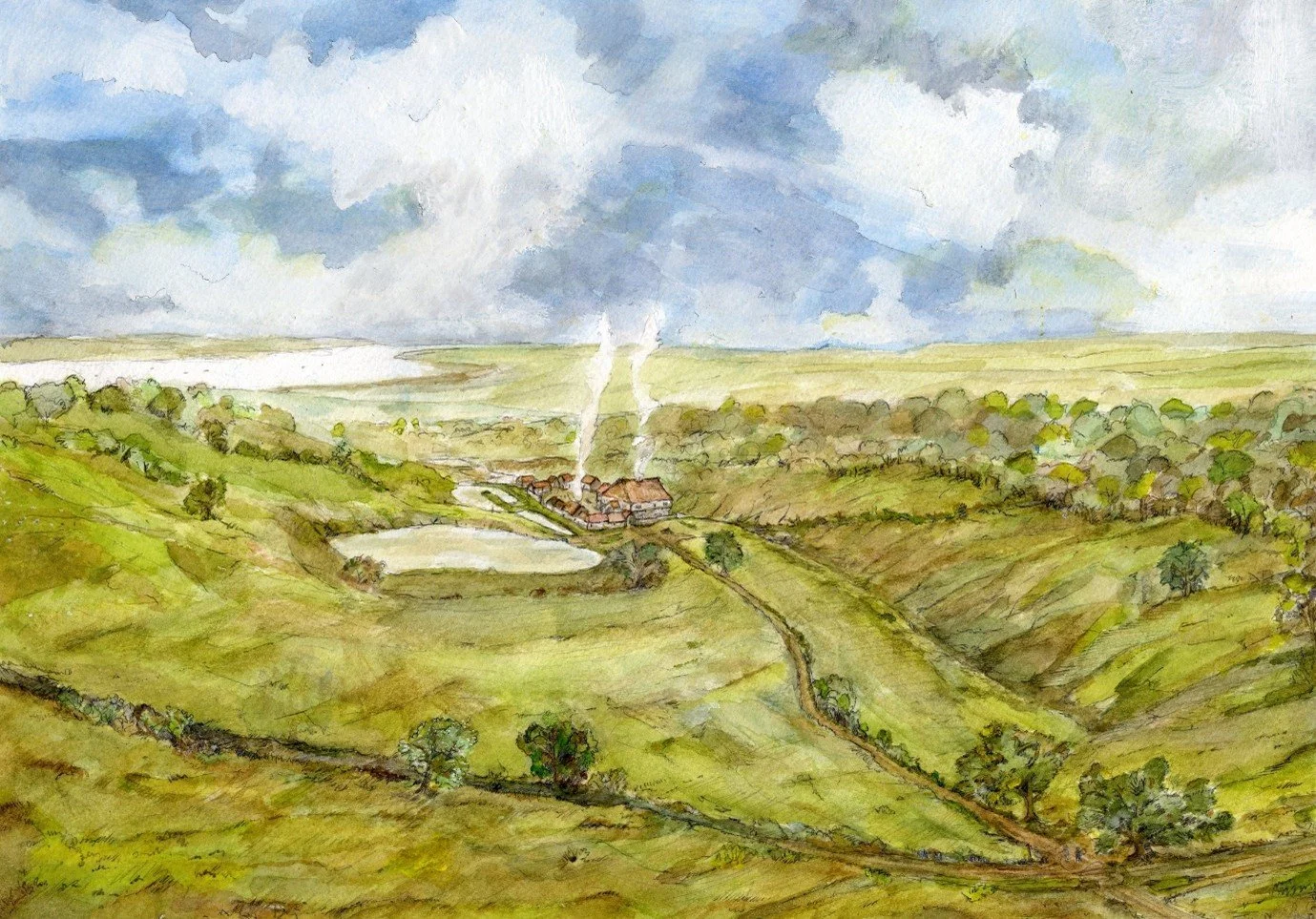
Fig.1 Randall Manor in c.1320
The excavations continued for ten years until 2015. The finds have been processed and catalogued, reports prepared, and a selection of the finds are now on show in the visitor centre. The site can be visited within the country park (on the Heritage Trail), there is an information board on site and a new guidebook is now being prepared (fig.2). Through the success of the Randall Manor project, a new community archaeology group emerged- the Shorne Woods Archaeology Group (SWAG). They continue to work within the park and have recorded sites from the Mesolithic to World War Two, but the medieval manor story continues…
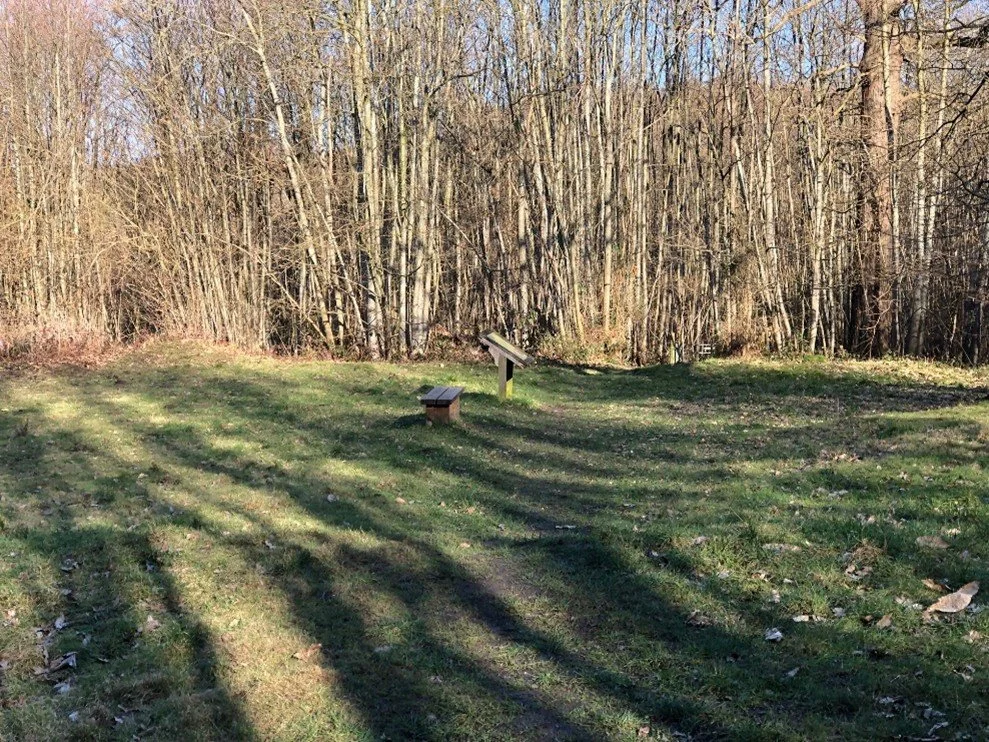
Fig. 2 The medieval building platforms of Randall Manor within a clearing in Randall Wood.
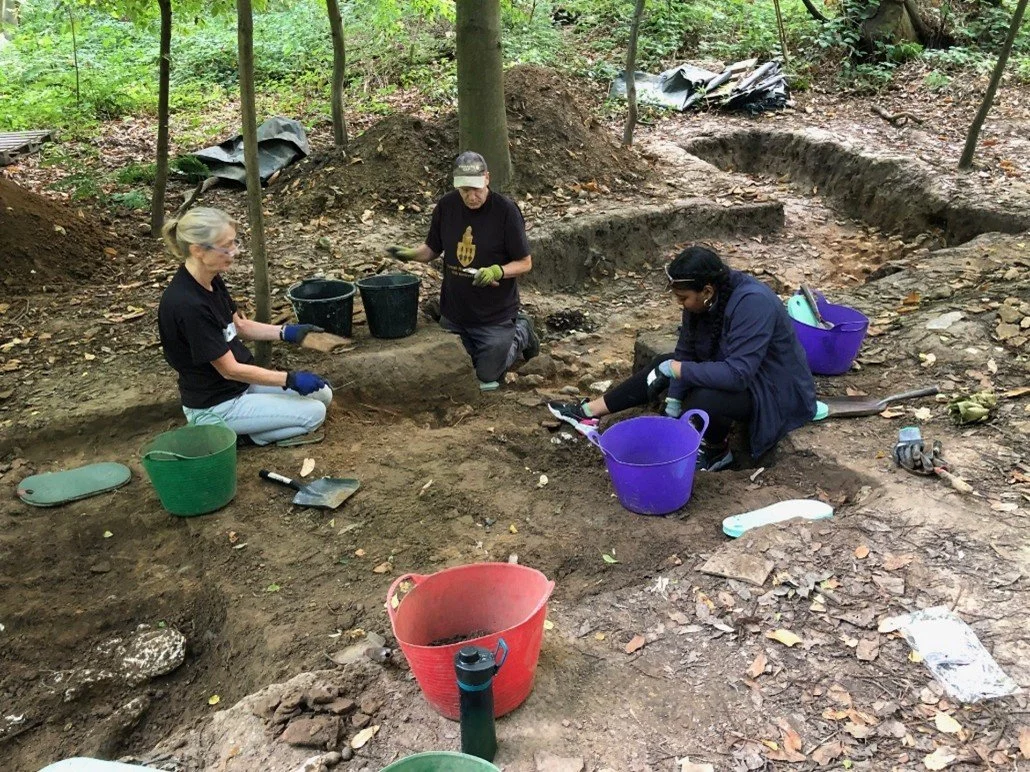
Fig. 3 Volunteers from the Lower Thames Crossing, assisting on excavations, August 2023
New excavations near the Manor began in 2021, when test pits identified a layer of roof tiles and traces of a building were uncovered on a terraced area of hillside. Work has progressed with the excavation and recording of the structure over the last three years. The Shorne Woods Archaeology Group have exposed at least three buildings, including a stone barn measuring 28 m x 14m. Whilst finds are scarce on the site, the size of the building is impressive and the lack of features such as hearths, floor surfaces or domestic items has led the team to think that it may have been used for storage or animals.
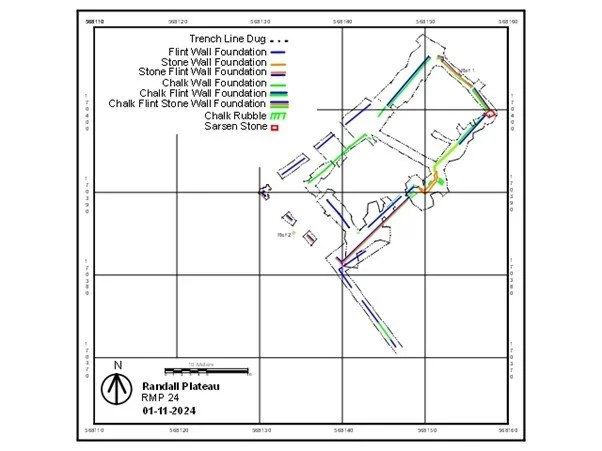
Site plan showing the outline of three buildings- courtesy of SWAG.