Cur8 Digital Museum of Pseudoarchaeology
What is Pseudoarchaeology I hear you ask? Well our Cur8 team asked the very same question earlier this month in their session held at Maidstone Museum. KAS Curator Andy, who’s MA dissertation was on Pseudoarchaeology led the session explaining how pseudoarcheology is, in its simplest form, the false mirror image to archaeology; where false narratives are attached to both real and fictional archaeological finds or discoveries in order to advance a personal or national agenda.
The Cur8 kids have had their own go at formulating a pseudo archaeological story around a genuine object in Maidstone Museum’s Lives in Our Landscape Gallery (LiOL). Explore the objects below in our digital ‘museum’ and then come down and visit Maidstone Museum; see if you can find the real and far more fascinating artefact!
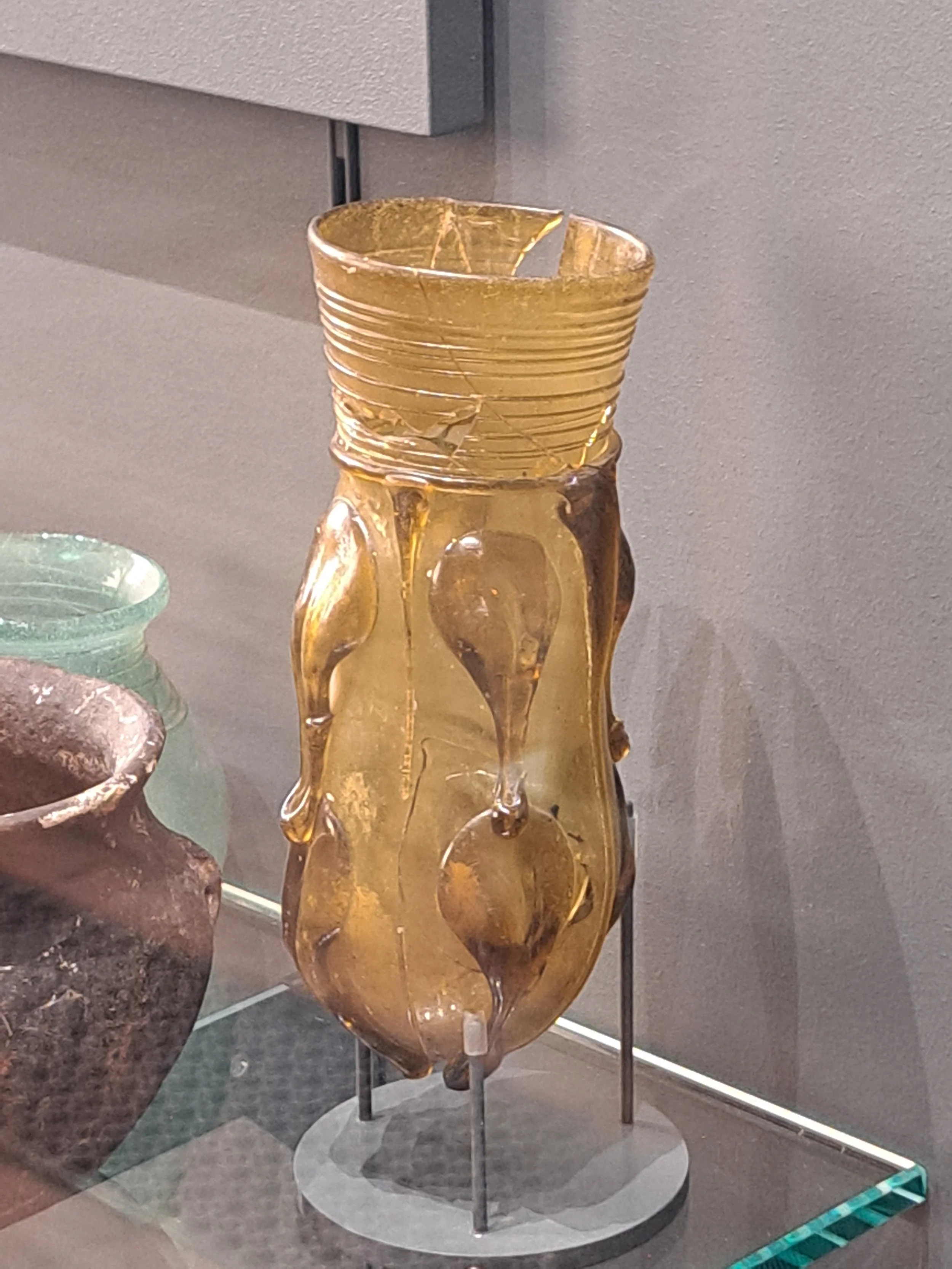
Jasmine – Anglo Saxon Claw Beaker, 500 – 599 CE, KAS 263
This object was something used in Medieval times to see the pigment of urine when someone was sick. They would use urine charts as well. Because of its colour, doctors would say the patients’ urine was too dark and use it as an excuse to do more tests and charge them more money.
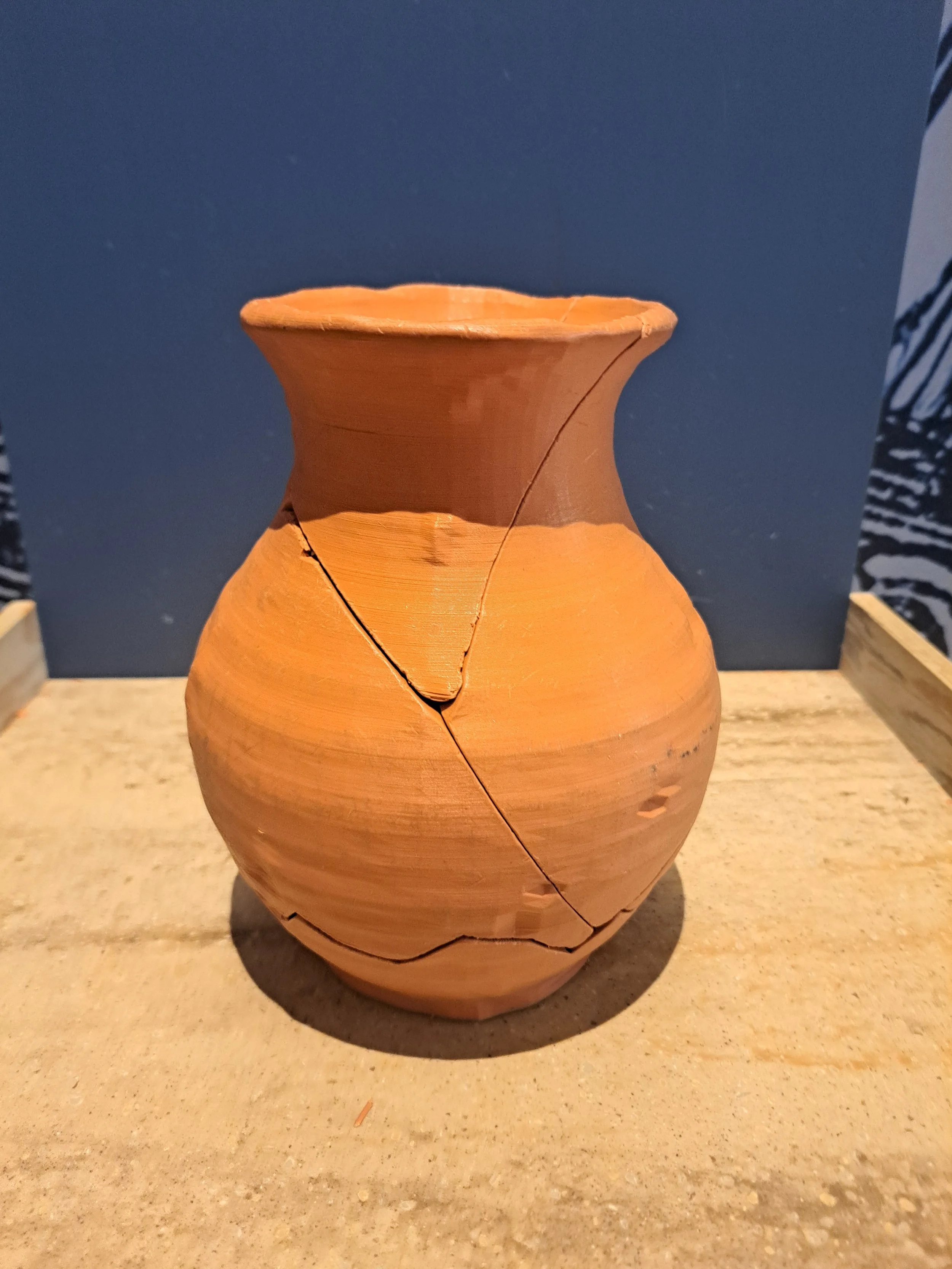
Louie – Replica Medieval pot, based on a Maidstone Museum Collection item
This pot was located in the arctic wall by Sir Dave Beluga.
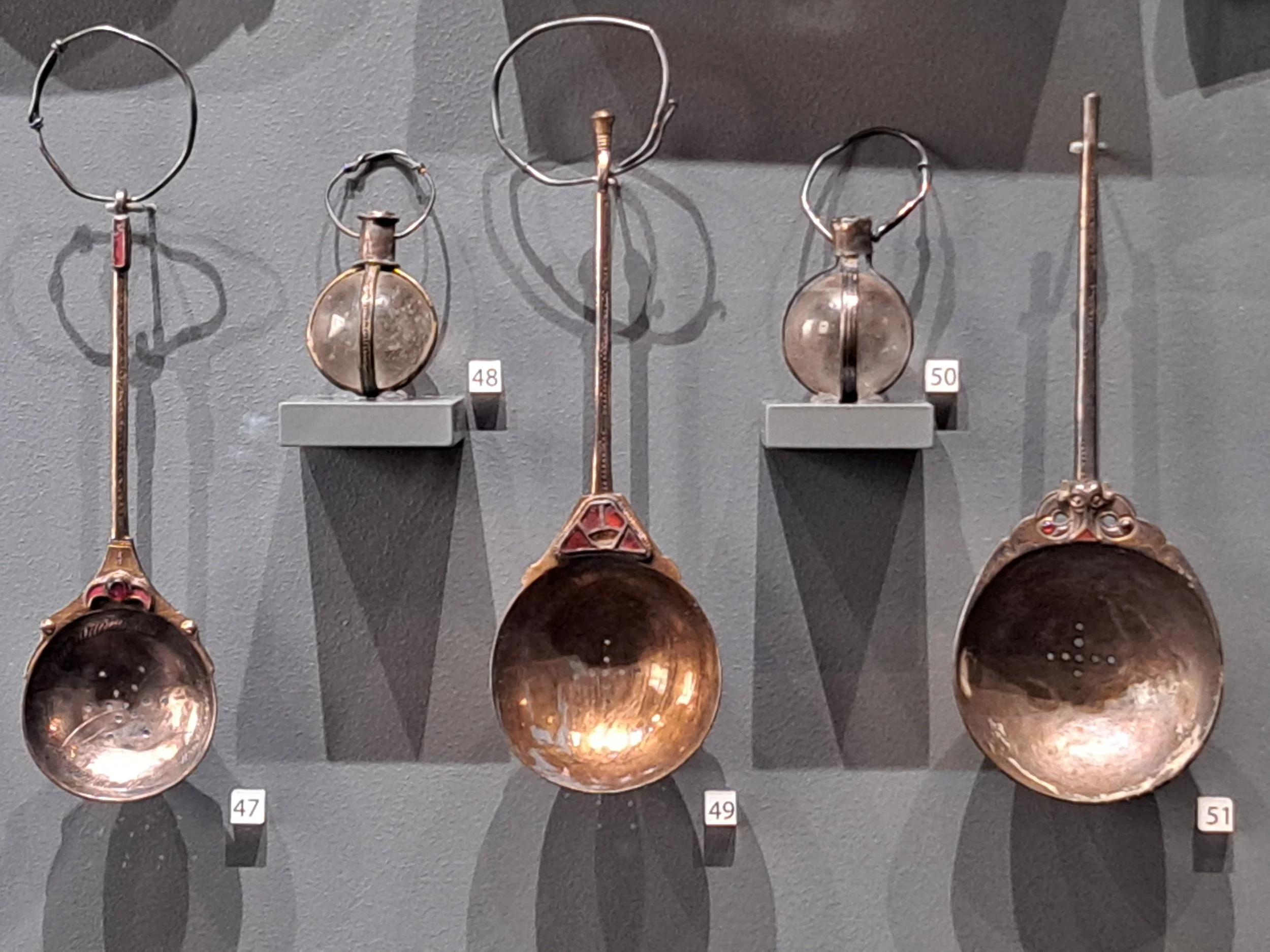
Samuel – Anglo Saxon Slotted Spoons and Rock Crystal balls
Back in Ancient Greek times they used these objects in the Olympics as an ancient example of the Egg and Spoon race. The ancient Greeks would bid chickens on the outcome. It was said that inside the crystal balls were souls trapped by Hades.
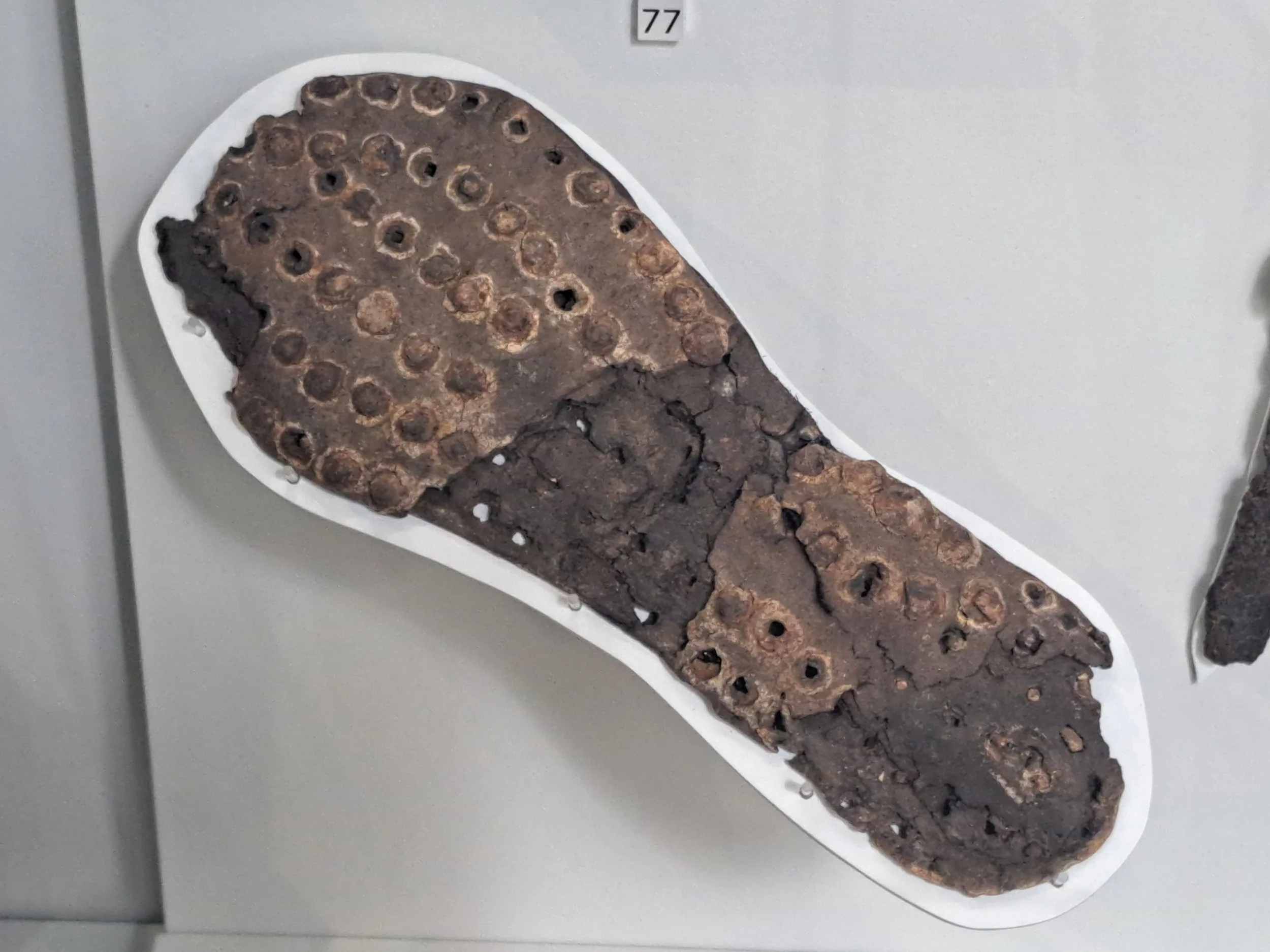
Lucas – Roman Leather Shoe Sole
In 1897 Lord Kanye of the West took a holy pilgrimage through the Yezzmus Valley. He then found a muddy footprint of what we now know as Yeezys. After the known knowledge was lost in the West family archives, it was rediscovered in 2015. They were sold to the public before being taken down in October 2022 after 2 descendants of Lord Kanye of the West claimed to be a direct descendant who owned the shoes. This is the rise and fall of Yeezys.
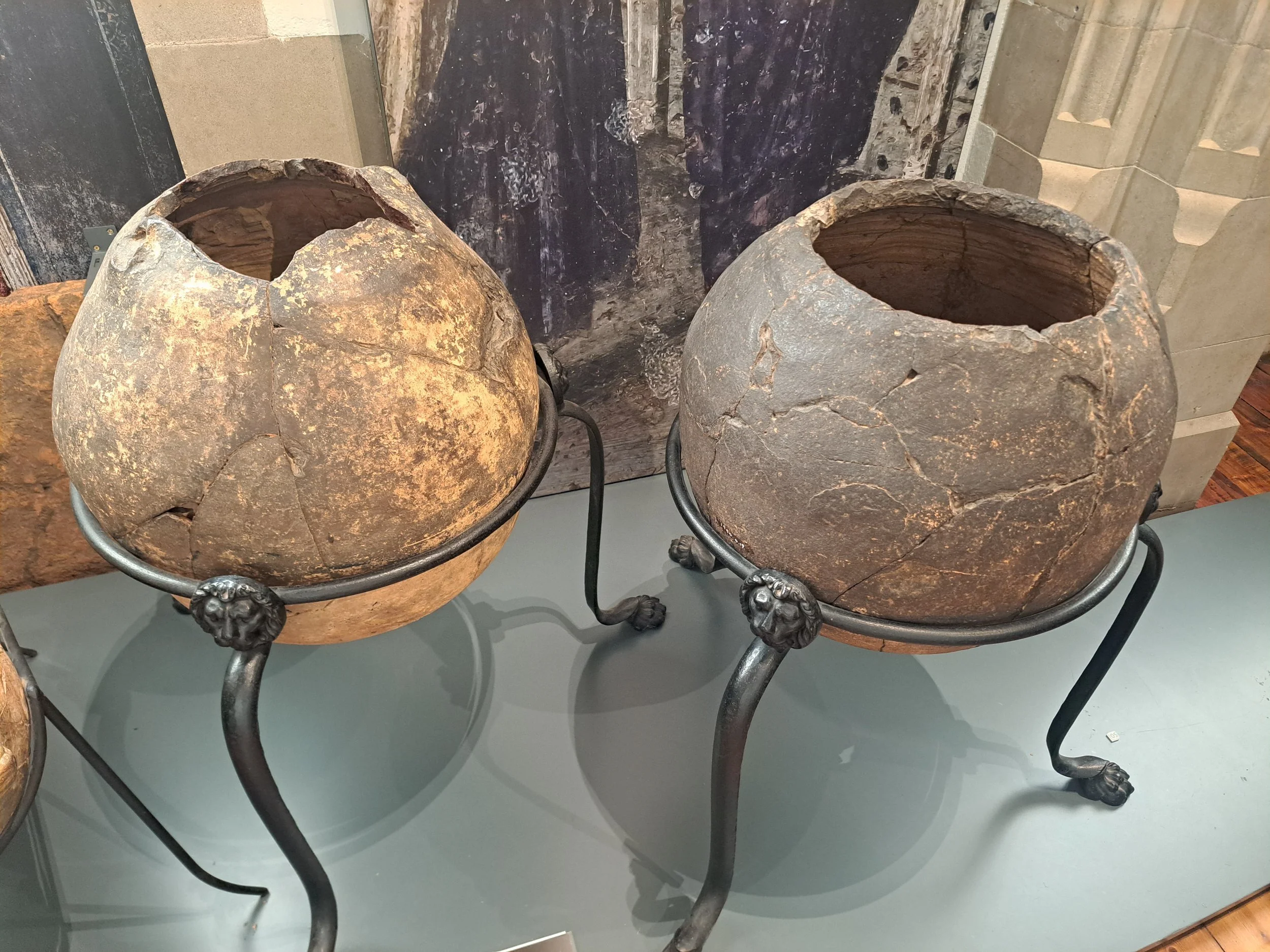
Bella – Lockwood Roman Cemetery Cremation Amphora
This pot was used to hold decaying organic matter such as dead leaves, grass, and plant debris. It would also hold rotten food scraps. Then, this would be fed to a abnormally large worm. They live underground and required a consistent diet every time they surfaced. If not fed, they would refuse to burrow and would roam around the villages hunting for food. Because of its large size, it would cause many disturbances when nesting in the villages, blocking roads, and scaring horses.

Niamh – 15th Century Brass of a kneeling man, MNEMG 1975.15
This man clearly resembles the well known and disliked Lord Farquaad. This is therefore clear evidence that the movie Shrek is actually a factual documentary. We can tell this due to the positioning of Lord Farquaad, him being angled, looking upward with his hands together in prayer. This quite obviously is a recreation of his wedding with Fiona, pre-Shrek’s interruption. It is most likely that this would have been located on the church where this failed wedding occurred, but unfortunately the building itself has not been uncovered yet. We have digs planned in the next coming years to finally find this historical building.
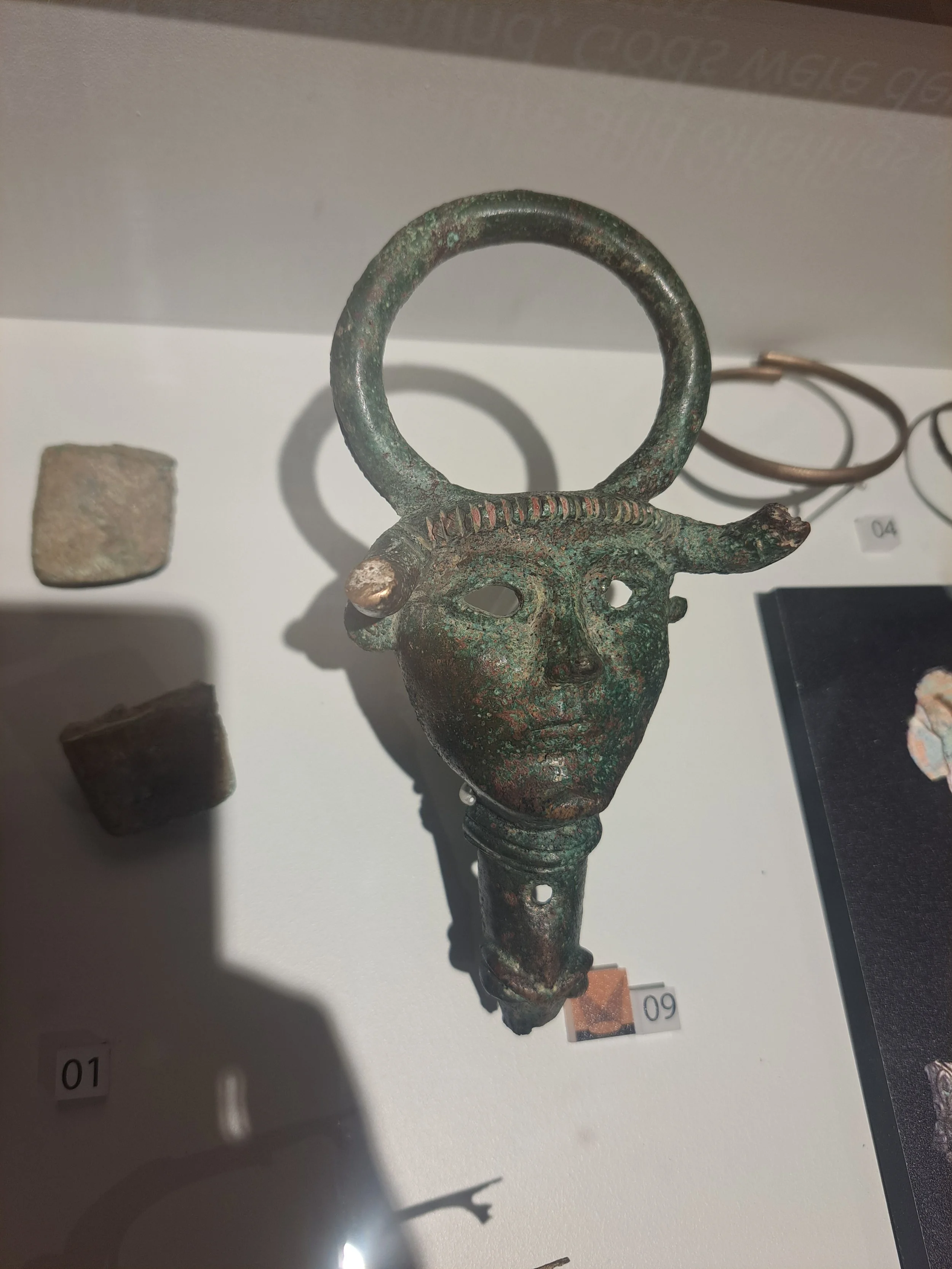
Joseph – Boughton Aluph Handle, MNEMG 38417
This ancient artifact is an object of worship for an Ancient Roman cult. It is the face of a Divine leader who was worshipped throughout the world. He came down from the body of Pluto and rose to the top of the earth to conquer the ancient world. He established the Cult in Rome and used the Vatican City as his centre of power. He allied with the Pope and this meant Catholicism spread also. There were many members of the cult and they wore masks which symbolised the face of the Divine leader. They conquered the Mediterranean sea through their large navy of Triremes (ancient warships). The Divine leader also had the horns of the Centaur. Their influence of the Ancient World was dominant for many centuries with the Pope as the sage.
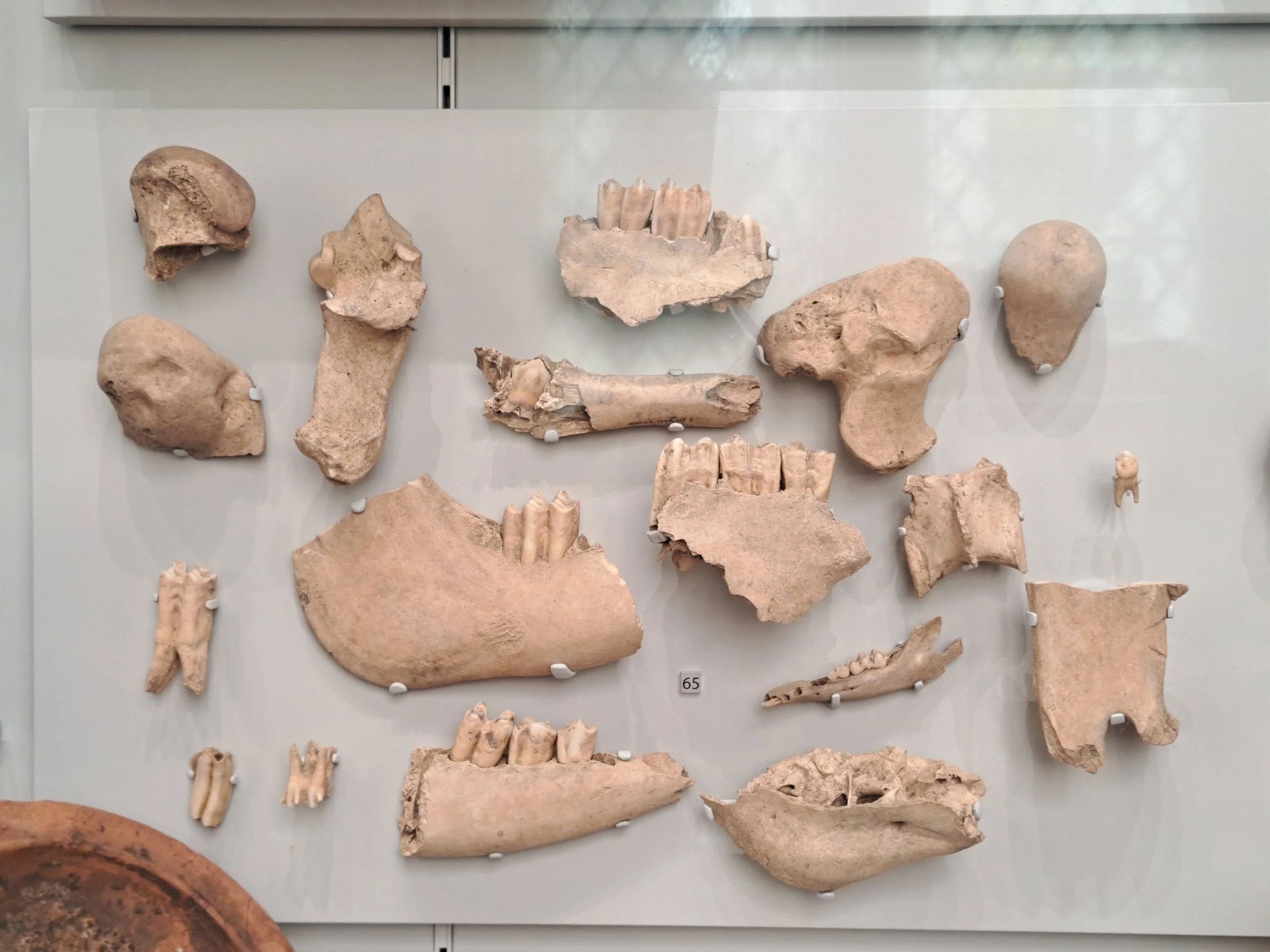
Ellie – Roman Animal Bones, MNEMG 1990.11.5.8
While these bones may just seem like farm animal remains, the story behind them is actually a lot more series than that. These bones are actually the remains of a juvenile bigfoot found last year when, due to global warming, they were thawed out of an ice cap. We can now confidently say, using these bones as evidence, that the bigfoot species was in fact present on Earth and that the bigfoot is not just a media generated conspiracy but in fact a real creature. We now have plans to carry out further archaeological digs in the arctic in the hopes of finding a complete bigfoot skeleton, so we can investigate bigfoot anatomy further.
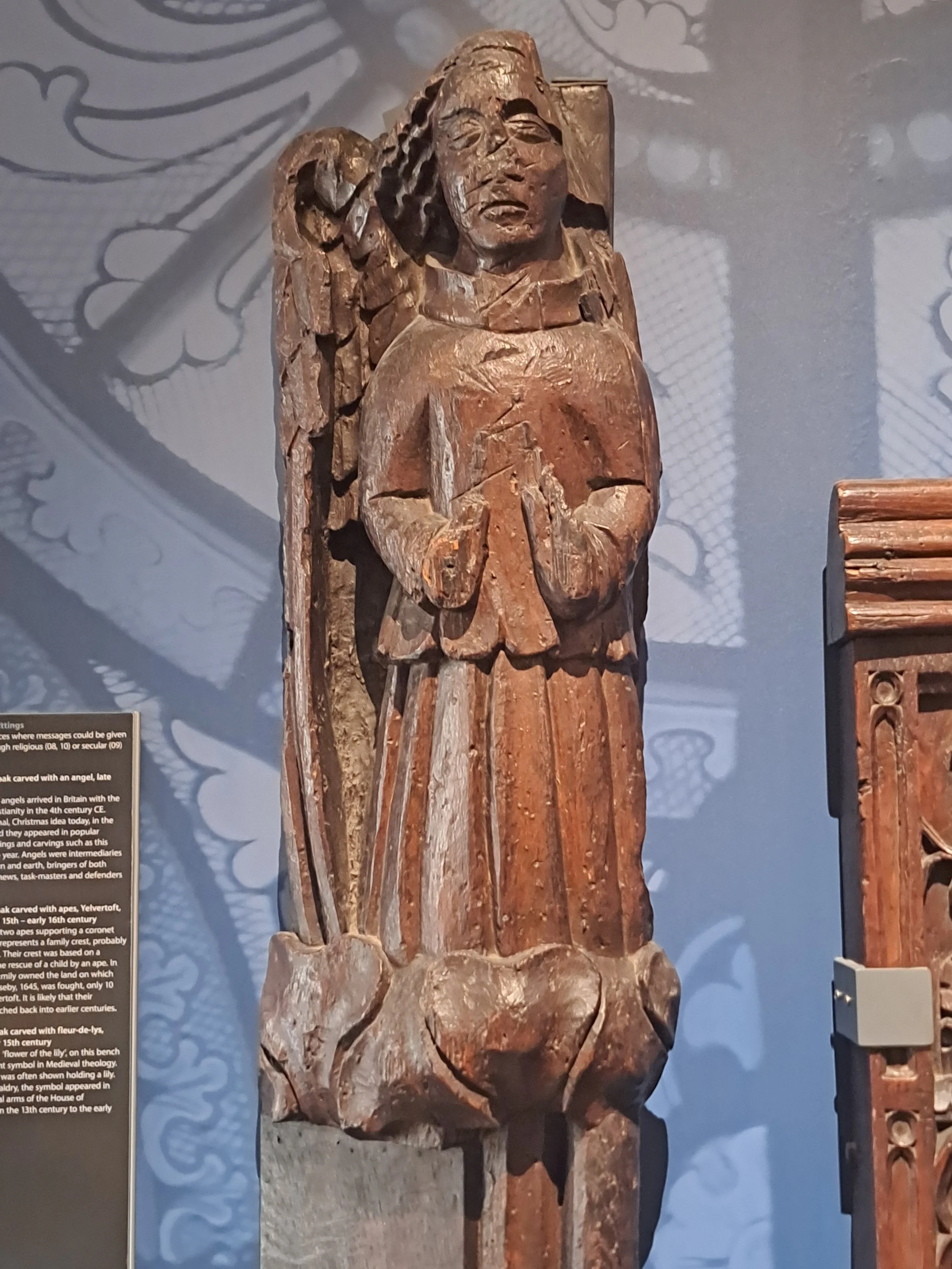
Ethan – Angel Pew End, MNEMG 1990.7
My mate John time travelled to the 15th century. He lived a long and fruitful life until he got stuck in a tree and became petrified in it. He was then turned into a bench and put in a museum. He is labelled as an angel due to his heavenly looks, and his wings that he had.