Innovative new interactive map amplifies community experiences of coastal change around the Swale Estuary
• An innovative new mapping platform launches today sharing experiences of climate change from some of Kent’s most vulnerable coastlines.
• The map will be a fascinating resource of local knowledge intended to put human experience closer to the heart of local and global climate change debates.
• It is created by Coasts in Mind, a MOLA (Museum of London Archaeology) project made possible by a grant from The National Lottery Heritage Fund.
At-risk coastal heritage around the Swale Estuary is being mapped on an innovative new platform. Launching today, the Coasts in Mind platform presents a revolutionary community-led approach to addressing the impacts of climate change on coastal areas. Developed as part of a citizen-science project run by MOLA (Museum of London Archaeology) and made possible with support from The National Lottery Heritage Fund, it showcases how local knowledge can influence national policymakers and researchers.
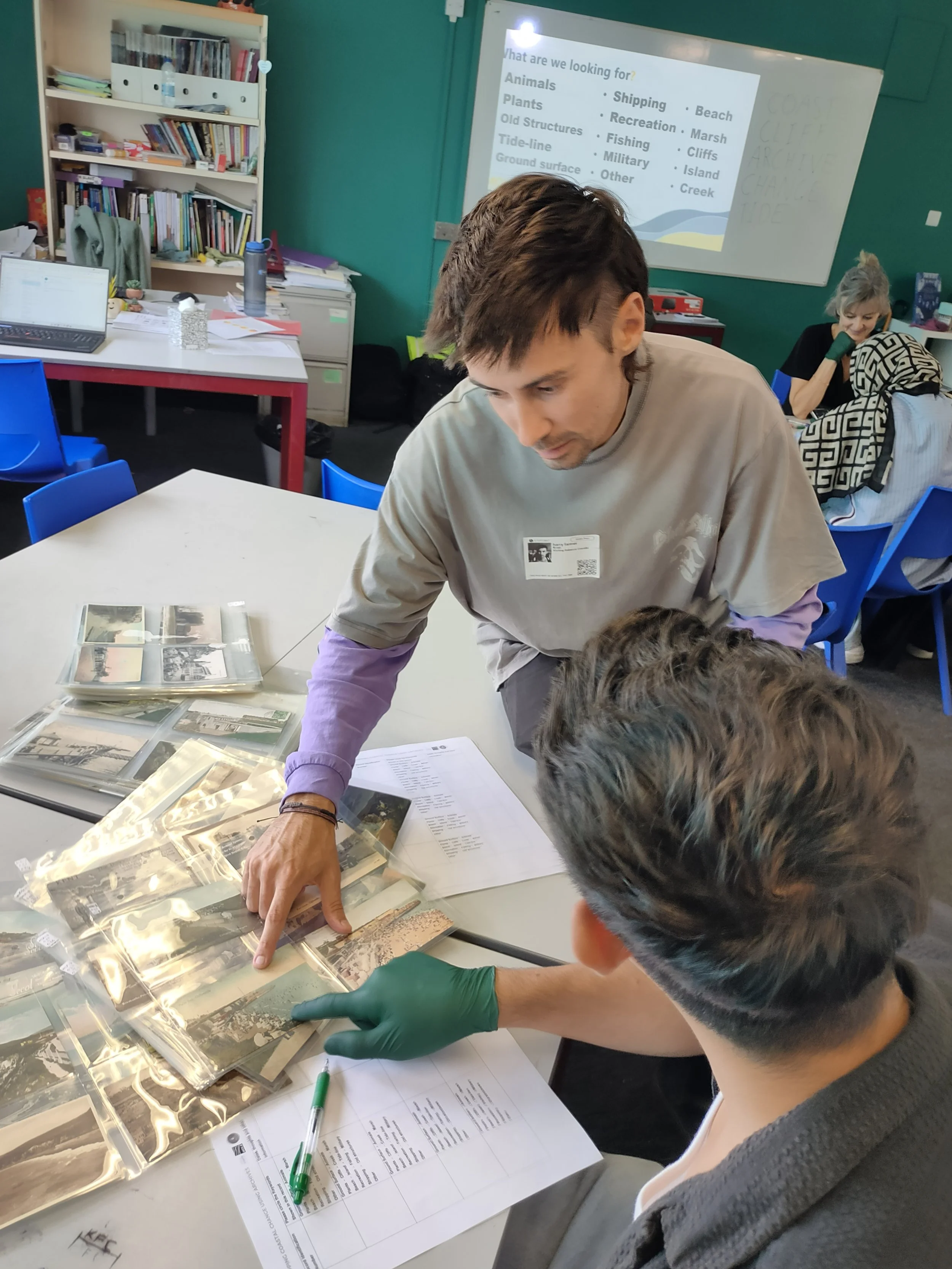
While the archaeological or scientific importance of at-risk coastal sites are recognised by specialists, the voices of locals are often not heard. However, through workshops and other activities, the Coasts in Mind team are tapping into this hidden pool of knowledge. This work is amplifying the experiences of people living around the Swale Estuary – many of whom are direct witnesses to the impacts of climate change.
Among the at-risk coastal heritage already added to the map, which has been specially designed with HUMAP (the Digital Humanities Map Platform) and DigVentures, is the remains of a WWII radar station and an anti-aircraft battery at Warden Point on the Isle of Sheppey. Constructed on the cliff top in 1941-42 to monitor shipping and aircraft during the war, these structures now lie on the beach below.
Coasts in Mind Project Officer Harry Farmer: “The Isle of Sheppey is one of the most at-risk areas in the country for coastal erosion, recently with tragic consequences for people’s homes. Local people have been monitoring this site for over 20 years, using radar station’s descent 93 metres (more than 300 ft) down the cliffs, as a measure of coastal change.”
“By combining memories, images, maps, and other locally held records, Coasts in Mind is helping some of the communities worst affected by coastal change to have their personal experiences heard as part of the climate change conversation.”
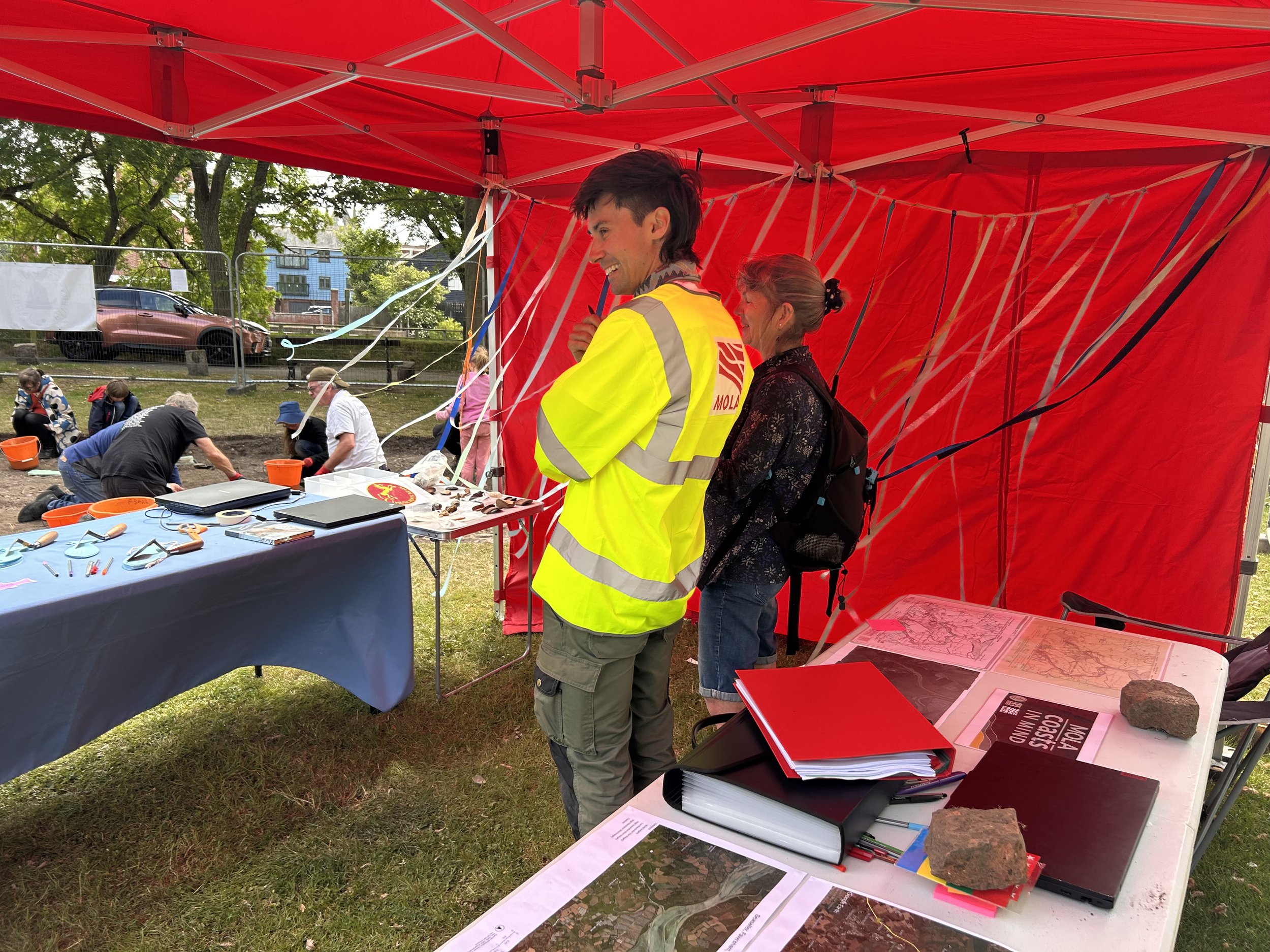
Through a programme of free workshops, creative projects, and training opportunities – including co-creating a new Swale sea shanty – over the next 6 months, Coasts in Mind is bringing communities around the Swale Estuary together to build resilience against future coastal change. Participants can learn to add and moderate contributions to the map, before it is then opened for submissions from the wider community in May 2026. Project Manager, Lawrence Northall, explains:
“Co-designed with community members, the Coasts in Mind Mapping Platform is an exciting and unique new tool, that enables people to curate their own local evidence of climate and coastal change. In doing so, it will give greater value to the expertise of local knowledge and help empower communities to present their own narratives of change in a publicly accessible format.”
“Ultimately, we intend this to influence policymakers and wider public perceptions of change, including its causes and effects on local environments, heritage, and front-line communities.”
The Coasts in Mind team are working with policymakers, researchers, and community groups involved in climate conversations to ensure this local record will become part of the debate. The map is also an exciting new source of information for anyone interested in the heritage, archaeology, and natural habitats of our changing coastlines.
Stuart McLeod, Director of England - London & South at The National Lottery Heritage Fund, said: “It’s fantastic to see the Coast in Mind’s mapping tool launch, sharing people’s stories and memories of their coastal communities. It is a powerful example of how important it is to document these lived experiences to increase everyone’s understanding of coastal change. By capturing these stories, we’re not only preserving this heritage but also helping communities build resilience for the future.”
The Coasts in Mind project will stretch over 3-years, specifically targeting four key coastal regions – Poole Harbour in Dorset, Taw-Torridge Estuary in Devon, Swale Estuary in Kent, and Sefton Coast in Merseyside. The aim is for these initial pilot locations to be a model for how this innovative methodology can be used on a national scale, adding a vital piece of the puzzle to addressing the impacts of this globally significant issue.
Explore the Coasts in Mind Mapping Platform at cim.mola.org.uk/map